Why Your Washing Machine Smells Musty: Deep Clean It in 30 Minutes
⚠️ Safety first: Before combining cleaners, check our What Not to Mix chart — some combos release toxic gas.
A musty washing machine usually boils down to three things: trapped moisture, leftover detergent gunk, and the mold or mildew that happily feeds on both. The good news? You don’t need a repair call or any fancy cleaning products. Just white vinegar, baking soda, and about 30 minutes of hands-on work. Below, I’ll explain why the smell builds up in the first place, then walk you through a deep clean that actually fixes it, not just masks it for a week.
Why Does Your Washing Machine Smell Musty?
Here’s the thing: it’s not really your fault. It’s how modern machines are built. Low-water, energy-efficient washers leave behind just enough damp, dark space for odor-causing bacteria and mildew to move in and set up shop.
The Usual Culprits
- Trapped moisture after each cycle. Close the door right after a wash and you’ve sealed in humidity, basically a greenhouse for mildew.
- Detergent and fabric softener buildup. Use a little too much (most of us do) and it leaves a slimy film inside the drum, hoses, and dispenser that traps odor.
- The front-load rubber gasket. Water, lint, hair, and soap scum collect in the folds of the door seal and rarely get a chance to fully dry.
- Frequent cold-water washes. Cold water is great for energy bills and colors, but it doesn’t kill the bacteria behind that sour smell.
- A clogged drain filter or pump. A blocked filter holds standing water, and standing water goes stagnant fast.
What You’ll Need
Gather this stuff before you start. Chances are most of it is already in your kitchen cabinet:
- 2 cups of white vinegar
- 1/2 cup of baking soda
- Microfiber cloths or old towels
- An old toothbrush or soft scrub brush
- Rubber gloves (optional)
- Bleach (optional, only for heavy mold on the gasket)
How to Deep Clean Your Washing Machine in 30 Minutes
Work through these steps in order. The trick is that most of the “cleaning” happens while the machine runs itself, so you’re not standing there scrubbing for half an hour straight.
Step 1: Wipe Down the Gasket and Drum (Minutes 1–5)
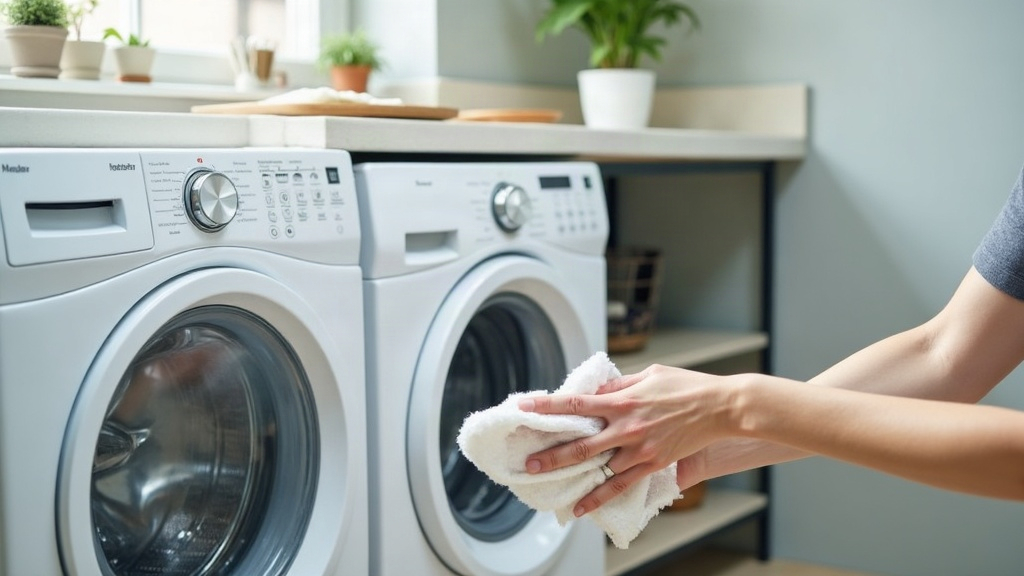
Pull back the rubber door seal and wipe every fold with a cloth dipped in a 50/50 mix of warm water and white vinegar. If you spot black or gray mold (and you probably will, at least a little), scrub it with the toothbrush. Then wipe down the inside of the drum, the door, and the glass. Front-loaders collect the most grime right here in the gasket folds, but don’t skip top-loaders either. Wipe the rim and under-lip too, that’s where lint and soap scum hide.
Step 2: Remove and Clean the Detergent Drawer (Minutes 5–10)
Slide the dispenser out completely. Most pop out with a small latch near the center, sometimes it takes a firm tug. Soak it in hot, soapy water, then scrub the compartments and the softener slot with your toothbrush and rinse well. Before you put it back, wipe out the empty cavity it sits in. That’s a hidden hotspot for slimy buildup most people never think to check. Leave the drawer out for now; you’ll reinsert it after Step 4.
Step 3: Run a Vinegar Wash Cycle (Minutes 10–25)
Pour 2 cups of white vinegar straight into the empty drum (or into the detergent dispenser if that feels easier). Set the machine to its hottest, longest cycle and run it empty, no clothes. The combination of heat and acidity breaks down residue, deodorizes the hoses, and kills off the bacteria causing that sour smell.
Step 4: Run a Baking Soda Rinse (Minutes 25–30)
Once the vinegar cycle finishes, sprinkle 1/2 cup of baking soda into the drum and run a short hot-water rinse. This neutralizes any leftover acidic smell from the vinegar and lifts remaining stains, so you end up with a drum that’s actually clean, not just temporarily deodorized.
Step 5: Clean the Drain Filter (Optional, But Worth It)
Check for a small access panel near the bottom of the machine. If yours has one, open it, put a towel underneath (water will spill, trust me), and unscrew the drain filter. Rinse it out, fish out any coins, hair clumps, or random debris, and screw it back in tight. Honestly, a clogged filter is one of the most common causes of a lingering smell, and it’s the one step almost everyone skips.
How to Keep It Smelling Fresh
Prevention takes less than a minute per load, which is a lot less effort than doing this whole deep clean again in three weeks:
- Leave the door and detergent drawer open after every cycle so the drum can actually air out.
- Wipe the gasket dry after the last load of the day, especially if you’re not running another one soon.
- Use less detergent. HE machines really only need 1 to 2 tablespoons. Pouring in more doesn’t clean better, it just leaves residue behind.
- Run a hot maintenance wash once a month. An empty vinegar cycle keeps bacteria from getting comfortable.
- Switch to warm water now and then. Even if you mostly wash cold, an occasional warm load helps flush out soap buildup.
Frequently Asked Questions
Is vinegar or bleach better for a smelly washer?
For routine cleaning, vinegar wins. It dissolves mineral and soap buildup and deodorizes without harsh fumes filling your laundry room. Save bleach for heavy black mold on the gasket: mix about 1/2 cup bleach with 1 gallon of water, apply with a cloth, then run a rinse cycle afterward. One rule that really matters here: never mix vinegar and bleach together. That combination produces toxic fumes.
Why do front-loaders smell worse than top-loaders?
Two reasons, really. The watertight door seal traps water and debris deep in its folds, and the machine is designed to use less water overall. Put those together and you get more damp, hidden space for mildew to grow, which is exactly why front-loaders need that gasket wiped down regularly.
Is a musty washing machine dangerous?
Usually not. The smell is typically mildew and bacteria, not the toxic black mold people worry about. That said, it can still trigger allergies or asthma symptoms in sensitive people, and nobody wants their “clean” laundry coming out smelling sour. Keep up with regular cleaning and it stays a minor annoyance rather than a real health issue.
Conclusion
A musty washing machine isn’t telling you to buy a new appliance. It’s telling you the drum, gasket, and filter need some attention. Give it 30 minutes: a thorough wipe-down, a vinegar cycle, and a baking soda rinse, and you’ll clear out the residue and bacteria behind that smell. Build in the door-open habit and a monthly maintenance wash, and your laundry room will start smelling as fresh as the clothes coming out of it.