How to Clean a Front-Loading Washing Machine Gasket
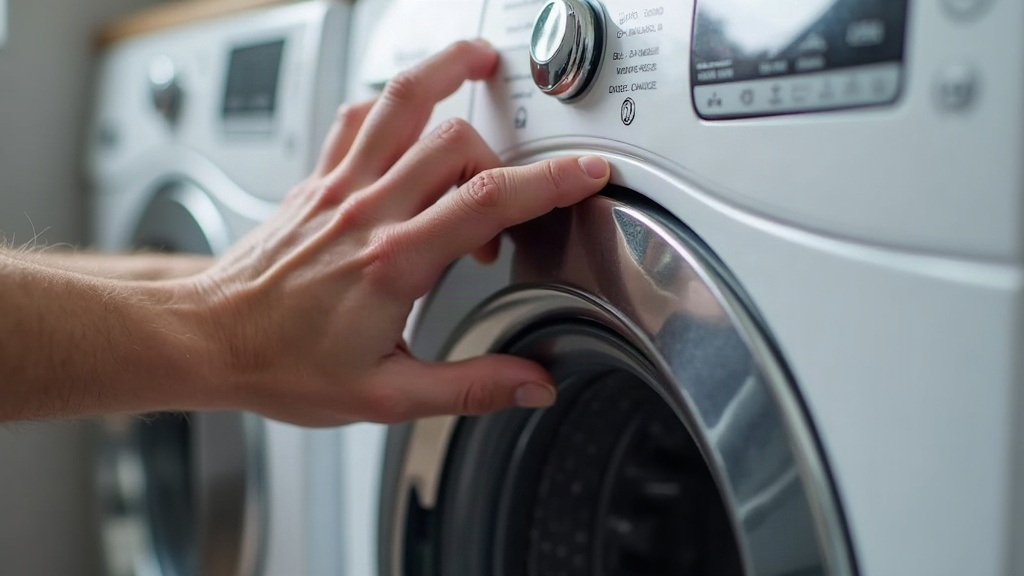
If your front-loading washer smells musty or sour, nine times out of ten the culprit is trapped moisture, leftover detergent, and mold quietly growing inside the rubber door gasket. The good news? Cleaning it only takes 15-20 minutes with stuff you already have under the sink, and if you make it a habit, that mildew smell disappears for good.
Why Front-Loading Washers Smell Musty
Front loaders seal tight to stop leaks, and that’s exactly the problem. Every wash traps a little water inside the folds of the rubber gasket. Mix that with leftover detergent, fabric softener residue, lint, and stray hairs, and you’ve basically built a mold incubator. Top-loaders don’t have this issue nearly as much, since the door stays open and water can evaporate. With a front loader, the door stays shut and moisture just sits there, quietly turning sour over the course of a few weeks.
Common warning signs include:
- A sour or musty smell as soon as you crack the door open
- Black or pink spots creeping along the rubber seal
- Clothes that smell damp even right out of the wash
- Slimy residue you can feel in the gasket folds
What You’ll Need
- White vinegar (distilled)
- Baking soda
- An old toothbrush or small scrub brush
- Microfiber cloths or old rags
- Rubber gloves
- Optional: chlorine bleach or a washing machine cleaner tablet (never mix bleach and vinegar together)
Step-by-Step: Cleaning the Gasket
1. Pull Back the Rubber Seal
Fold the gasket back gently, all the way around. This is the part most people skip, and it’s exactly where the worst grime hides, not on the surface you can see, but tucked inside the folds. Grab a flashlight if the mold buildup is hard to spot.
2. Wipe Away Debris
Before you touch any cleaner, run a dry cloth through the folds to pull out loose lint, hair, stray coins (you’d be surprised), and any standing water.
3. Scrub With Vinegar and Baking Soda
Mix baking soda with a little water to make a paste, or just spray straight white vinegar onto the moldy spots. Let it sit for about 10 minutes so it can actually break down the grime, then scrub with an old toothbrush, getting into every little crevice. If you’re dealing with stubborn black mold, soak a cloth in equal parts vinegar and water, press it against the spot for a few minutes, and then scrub.
4. Wipe Clean and Dry Thoroughly
Wipe the gasket down with a damp cloth to lift off any leftover residue, then dry it completely with a clean towel. This step matters more than people think. Any moisture left behind is basically an invitation for mold to come right back.
5. Run a Hot Cleaning Cycle
Pour 2 cups of white vinegar into the drum (or drop in a washing machine cleaner tablet) and run the hottest empty cycle you’ve got, the “clean” or “sanitize” setting if your machine has one. This flushes out gunk from the detergent drawer, the drum, and the drain hose in one go.
6. Clean the Detergent Drawer and Drum Vents
Pull the detergent dispenser all the way out and let it soak in warm, soapy water for a bit. While you’re at it, check the small drain holes near the bottom of the gasket area. They clog with lint constantly and end up trapping water right where you don’t want it.
How Often Should You Clean It?
- Wipe the gasket dry after every wash, if you can manage it
- Deep clean with vinegar and baking soda every 2-4 weeks
- Run an empty hot cleaning cycle once a month
Preventing Mildew Smell From Coming Back
- Leave the door open between loads so the drum can actually air out
- Use less detergent. Extra soap doesn’t rinse away completely, and leftover suds are basically mold food
- Switch to HE detergent if you’re still using regular detergent. It oversudses in front loaders and makes the whole problem worse
- Pull laundry out promptly rather than letting wet clothes sit in a closed drum for hours
- Towel-dry the gasket after each cycle, especially if you live somewhere humid
- Keep the drain filter clean too. Debris trapped there adds to the smell just as much as the gasket does
When to Call a Repair Technician
If the odor sticks around even after a proper gasket cleaning and a hot cycle, the problem might be sitting somewhere you can’t easily reach, the drain hose, the pump filter, or around the drum bearings where water tends to pool. And if what you’re smelling isn’t musty mildew but something closer to burning or sewage, that’s a different story entirely, possibly a clogged drain line or a failing seal, and it’s worth getting a technician to take a look.
Final Thoughts
A musty washing machine almost never means the machine itself is broken. Nine times out of ten it’s just a gasket-and-moisture issue. Stick to a simple vinegar-and-baking-soda routine, run a hot cleaning cycle now and then, and get in the habit of leaving the door cracked open between loads. Do that, and your front loader stays fresh, and your laundry actually smells like laundry instead of something left in a gym bag.