How to Clean Silicone Baking Mats Without a Sticky Oily Residue
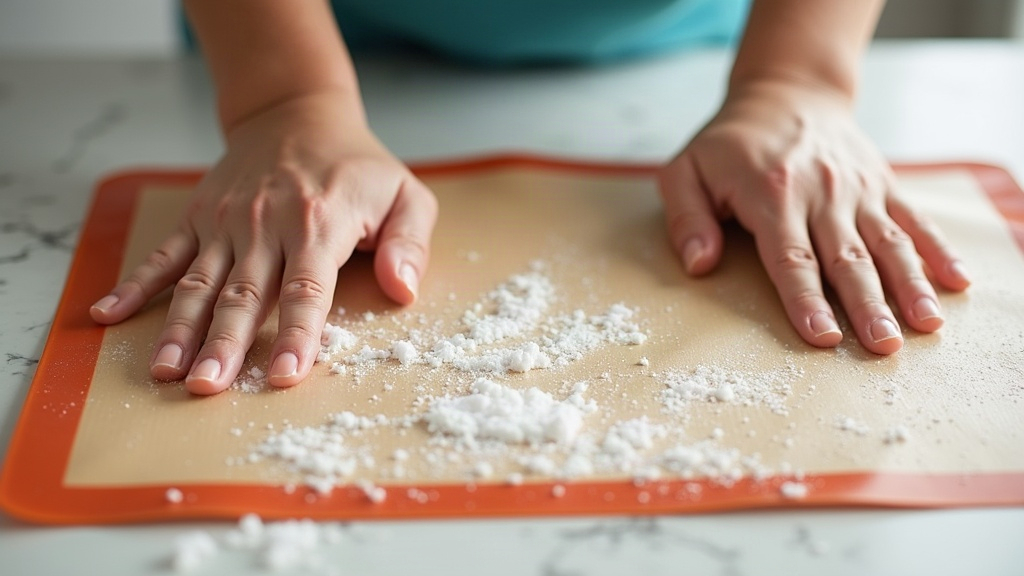
If your silicone baking mat still feels tacky after a wash, it’s not the mat that’s at fault. It’s your technique. Most residue builds up because people rinse with hot water before the oil’s been lifted, or they reach for the wrong soap entirely. The fix isn’t complicated: degrease first, scrub with the right tool, then rinse and let it dry flat. Stick to that order and your mat will come out looking brand new, bake after bake.
Why Silicone Mats Get Sticky in the First Place
Silicone looks smooth, but it’s not. Under a microscope, that surface is full of tiny pores, and those pores grab onto baked-on fat, sugar, and whatever you sprayed on last. Three habits tend to make things worse over time:
- Cooking spray buildup. Aerosols like Pam contain propellants and emulsifiers that bond right to the silicone. Water alone won’t touch them.
- Hot water, too soon. Heat sets the oil into the surface before soap gets a chance to break it apart. You’re basically baking the grease in a second time.
- Drying while still oily. Skip this step and that film just hardens the next time the mat goes in the oven.
The Correct Cleaning Method (Step by Step)
1. Wipe Off Excess Oil First
Before the mat even sees water, run a dry paper towel over it. Get the crumbs, get the surface grease. Skip this and that oil spreads into a thin film you won’t even notice until it’s baked on.
2. Use Hot, Soapy Water, Not Just a Rinse
Fill the sink with hot water, add a few drops of a proper degreasing dish soap (Dawn is the classic choice), and let the mat soak for 5 to 10 minutes. The soak matters more than how hard you scrub afterward. It’s giving the surfactants time to actually pull the oil off, not just push it around.
3. Scrub With Baking Soda, Not Abrasive Pads
Mix baking soda with a little water until it forms a paste, spread it on both sides, and work it in gently with a soft sponge (an old toothbrush handles the corners nicely). Baking soda is mildly alkaline, enough to cut grease without scratching the surface. Steel wool or anything abrasive will leave micro-scratches, and those scratches just become new hiding spots for residue.
4. Rinse Thoroughly Under Hot Running Water
Keep rinsing both sides until the water runs clear and the mat stops feeling slippery. Soap residue left behind causes that same hazy, sticky feel you were trying to get rid of in the first place.
5. Air-Dry Completely Flat
Lay it flat on a rack or a towel. Don’t roll it, don’t stack it while it’s still damp. Moisture trapped in a fold will streak the surface and, if you leave it long enough, start smelling musty.
Deep-Cleaning for Really Stubborn Residue
Sometimes a regular wash just isn’t enough. Three options worth trying:
- Baking soda + vinegar soak: Sprinkle baking soda generously over the mat, spray white vinegar on top, and let it fizz for about 10 minutes before scrubbing and rinsing.
- Dishwasher cycle: Check the label first, but most silicone mats can go in the dishwasher. Lay it flat on the top rack, away from the heating element at the bottom.
- Oven-safe reset: For really stubborn, caked-on grease, a short bake at 300°F (150°C) for 10 minutes can loosen things up so you can wipe it clean once it cools. Just confirm your mat’s manufacturer actually allows this before you try it.
Common Mistakes to Avoid
- Using cooking spray at all. Brush on oil lightly instead, or lay parchment paper under anything especially greasy, like bacon.
- Washing with hot water and no soap. Water by itself can’t break an oil bond. It just moves the grease around.
- Rolling the mat for storage. That creates creases where grease gets trapped, and over time those creases can crack.
- Reaching for bleach or harsh chemical cleaners. These degrade the silicone and leave behind an odor that’ll transfer straight into your next batch of cookies.
How Often Should You Deep Clean?
For everyday stuff, cookies, roasted vegetables, a regular soapy wash after each use is plenty. But if you’re working with something really oily or sugary, bacon, caramel, anything along those lines, run the baking soda scrub every 2 to 3 uses. Otherwise that buildup creeps up on you faster than you’d think.
Final Thoughts
A sticky mat isn’t ruined, it just needs the right sequence: wipe, soak, scrub with baking soda, rinse fully, dry flat. Skip the cooking spray, skip the abrasive scrubbers, and the mat you bought once can genuinely last for years without ever feeling greasy again. Follow this routine and you’ll actually get the non-stick performance you paid for, every single time you bake.