Beginner's Guide to Cleaning Stainless Steel Appliances Without
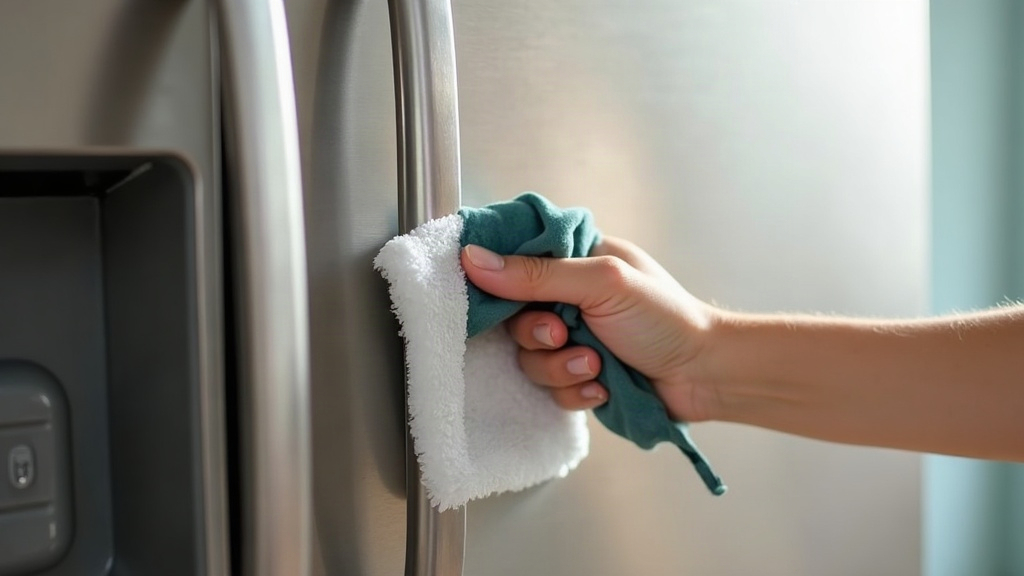
If your stainless steel fridge, dishwasher, or oven always seems to carry smudges, water spots, or faint streak lines no matter how hard you scrub, you’re far from alone. This guide breaks down why streaks actually happen and gives you a simple, repeatable method for getting stainless steel appliances looking polished instead of smeared.
Why Stainless Steel Streaks So Easily
Stainless steel has a fine “grain,” microscopic lines pressed into the metal during manufacturing, not unlike the grain in a piece of wood. Wipe against that grain, or reach for the wrong cleaner, and you end up pushing dirt and moisture into those tiny grooves instead of lifting it away. That’s the real cause of the cloudy streaks and water spots so many people fight with.
The other common misstep is using too much liquid, or the wrong cloth altogether. Paper towels, rough sponges, and abrasive scrubbers leave behind micro-scratches, and those tiny grooves trap grease and dust over time, which is exactly why some streaks start to look permanent.
What You’ll Need
- Microfiber cloths (at least two, one for cleaning, one for drying and buffing)
- Mild dish soap and warm water, or a dedicated stainless steel cleaner
- A few drops of mineral oil or baby oil (optional, for the final polish)
- A soft-bristle brush for corners, handles, and vents
Skip these: bleach, abrasive powders, steel wool, and ammonia-based glass cleaners. All of them will dull or discolor the finish given enough time.
Step-by-Step: Streak-Free Cleaning Method
1. Find the Grain Direction
Look closely at the surface under decent light. You’ll spot faint lines running either horizontally or vertically. Clean and wipe along those lines every time, never in circles.
2. Remove Loose Dust and Debris First
Dry-wipe the surface with a microfiber cloth to knock off crumbs, dust, and loose grease. Skip this and you’ll just drag grit across the metal, which is how fine scratches start.
3. Wash With Mild Soap and Water
Mix a few drops of dish soap into warm water. Dampen a microfiber cloth (don’t soak it, just damp) and wipe along the grain. This handles fingerprints, food splatters, and the everyday grime without any harsh chemicals involved.
4. Rinse With a Clean Damp Cloth
Grab a second cloth, dampen it with plain water, and wipe away the soap residue, still following the grain. Leftover soap is one of the biggest causes of cloudy streaks once it dries on the surface.
5. Dry Immediately
Most people skip this step, and it’s honestly the most important one. Buff the surface dry right away with a clean, dry microfiber cloth, moving with the grain again. Let it air-dry and you’ll almost always end up with water spots.
6. Optional: Add a Light Polish
A few drops of mineral oil or baby oil on a dry cloth, buffed lightly along the grain, adds shine, helps resist new fingerprints, and gives you that showroom look. Go easy though. A little goes a long way, and too much oil just attracts dust.
Tackling Tougher Spots
- Baked-on grease near the stove or oven handle: Let a warm, soapy cloth sit on the spot for a few minutes before wiping it off.
- Rust-colored spots: Usually mineral deposits from hard water, not actual rust. A paste of baking soda and water, applied gently along the grain, tends to lift these right off.
- Sticky residue from labels or tape: A small amount of vegetable oil loosens adhesive without scratching the surface.
Daily Maintenance Tips to Prevent Streaks
- Wipe fingerprints the moment you notice them with a dry microfiber cloth.
- Keep a spray bottle of diluted soap water under the sink for quick touch-ups.
- Don’t let standing water sit on the surface. Dry handles and edges after doing dishes nearby.
- Skip multi-surface cleaners with ammonia. They build up residue the more you use them.
Frequently Asked Questions
Can I use vinegar on stainless steel? Yes. Diluted white vinegar (mixed with water) works fine for light cleaning, but always follow up with a dry buff, otherwise the acidity can leave new streaks behind.
Why does my appliance still look streaky after cleaning? Chances are you’re wiping against the grain, or not drying the surface all the way. Double-check the grain direction and always finish with a dry cloth.
Is stainless steel cleaner spray necessary? Not strictly, but it speeds up the polishing step and adds a protective, fingerprint-resistant layer, which matters if you’re cleaning stainless steel appliances often.
Final Thoughts
Getting stainless steel streak-free isn’t about scrubbing harder. It’s about working with the grain, using the right tools, and finishing every time with a thorough dry. Stick to this simple routine and your fridge, dishwasher, and oven will hold onto that clean, professional shine between deep cleans.