How to Clean Greasy Kitchen Cabinet Tops Above the Stove
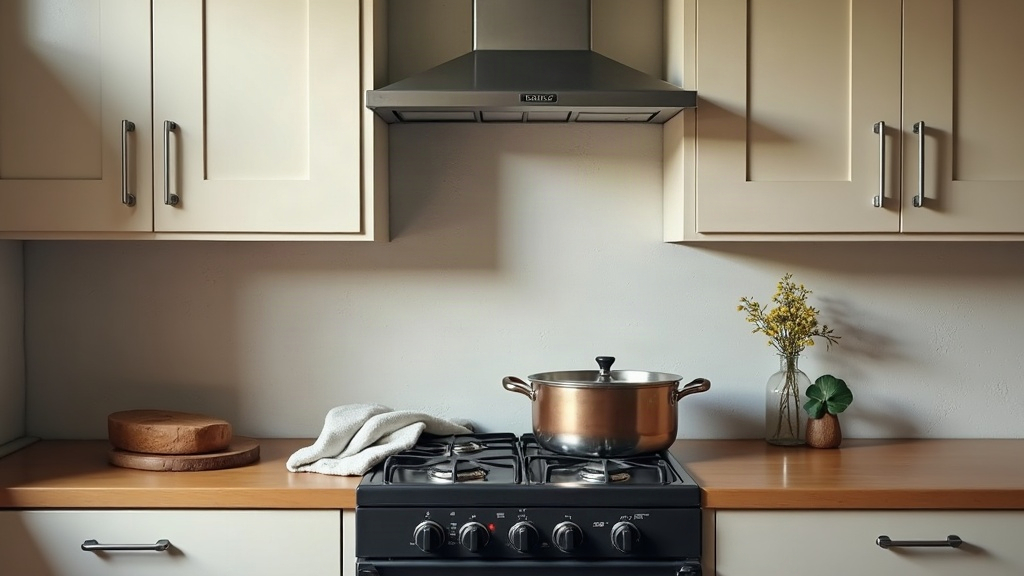
Run a finger along the top of your kitchen cabinets and pull back a sticky, dark film? Then you already know why this spot is one of the hardest-working and most neglected surfaces in the whole kitchen, much like your washing machine’s interior. The good news is that cleaning greasy cabinet tops above the stove isn’t complicated. You just need the right degreasing approach, a bit of patience, and tools that match your cabinet’s finish.
Why Grease Builds Up on Cabinet Tops
Every time you fry an egg, sauté onions, or let a pot boil over, tiny airborne grease particles ride the steam and heat upward. Cabinet tops sit right above stove level, so they catch this residue constantly, day after day. Over a few weeks it mixes with ordinary dust and hardens into a tacky, brownish layer. Regular wiping won’t touch it. That layer needs to be broken down chemically, not just scrubbed at with a rag.
What You’ll Need
- Dish soap (a strong degreaser like Dawn works well) or a dedicated kitchen degreaser spray
- Warm water
- White vinegar (optional, for stubborn spots)
- Baking soda (for extra-tough grease)
- Microfiber cloths or sponges
- An old toothbrush or soft-bristle brush for corners
- A step stool
- Dry towel for buffing
Step-by-Step Cleaning Method
1. Clear the Area First
Move any stored items, decorative pieces, or boxes off the cabinet tops before you start. This gives you full access to the whole surface and keeps you from smearing grease onto things you actually want to display.
2. Apply a Degreasing Solution
Mix warm water with a few drops of dish soap, or grab a store-bought degreaser spray if you have one on hand. For heavier buildup, go with equal parts warm water and white vinegar. The acidity does a lot of the work cutting through the grease.
Spray or wipe the solution generously over the surface and let it sit for 5 to 10 minutes. This is the step almost everyone skips, and it’s the one that matters most. Giving the grease time to soften means you won’t be scrubbing at a hardened layer with sore wrists.
3. Wipe with a Microfiber Cloth
Take a damp microfiber cloth and wipe in small circular motions. Microfiber grabs grease particles far better than paper towels, which mostly just smear the residue around instead of lifting it off.
4. Tackle Stubborn, Caked-On Spots
For grease that refuses to budge:
- Sprinkle baking soda directly onto the damp area and scrub gently with a soft brush.
- Let a vinegar-soaked cloth rest on the spot for a few extra minutes before wiping it away.
- Skip abrasive scrubbers like steel wool or scouring pads on painted or laminate cabinets. They’ll scratch the finish, and that damage is permanent.
5. Rinse and Dry
Go over the area again with a clean, damp cloth to lift off any leftover soap or vinegar, then dry it thoroughly with a towel. Moisture that sits around too long can dull wood finishes, sometimes without you even noticing until months later.
6. Finish with a Polish (Optional)
On wood cabinets, a small amount of furniture polish, or a simple mix of olive oil and vinegar, brings back some shine and adds a light protective layer on top.
Cleaning Tips by Cabinet Material
- Painted cabinets: Stick to mild soap and water. Harsh chemicals can strip the paint right off.
- Laminate: Vinegar solutions work well here and dry without leaving streaks.
- Solid wood: Don’t soak it. Use a barely damp cloth and dry it immediately after.
- Stainless or metal accents: A vinegar-water spray gives a streak-free finish every time.
How to Prevent Future Grease Buildup
- Turn on your range hood or exhaust fan every single time you cook, especially when frying.
- Use a splatter screen over pans to cut down on airborne grease in the first place.
- Wipe cabinet tops once a month instead of waiting until you can see the buildup. Fresh grease wipes off in seconds; six-month-old grease can take twenty minutes.
- Try lining cabinet tops with parchment paper or shelf liner. When it gets dirty, just peel it off and replace it instead of scrubbing.
Final Thoughts
Greasy cabinet tops above the stove are one of those small, annoying kitchen problems, but they really don’t call for harsh scrubbing or pricey cleaning products. A decent degreaser, a few minutes of patience while it sits, and a habit of cleaning regularly will keep this overlooked surface spotless and add years to your cabinets’ finish. Stay consistent with it and that sticky film won’t have much chance to come back.