Ultrasonic vs Steam Jewelry Cleaners for Silver Tarnish Removal
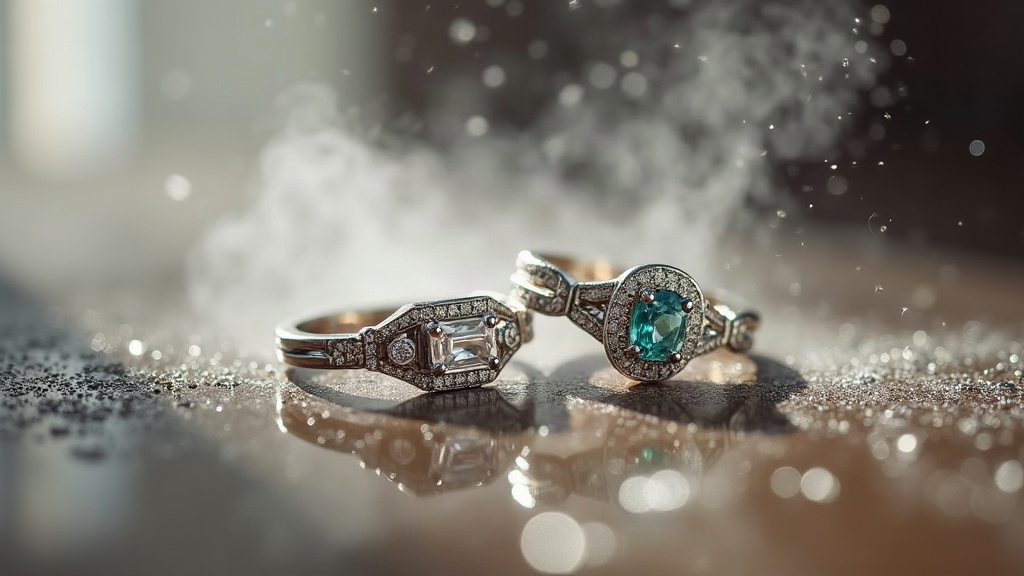
If you’re trying to restore tarnished silver, here’s the short version: ultrasonic cleaners are better for loosening tarnish and grime from detailed silver jewelry, while steam cleaners are better for a quick final rinse and sanitizing without risking loose stones. Neither machine strips heavy tarnish on its own, you still need a proper silver cleaning solution, but each tool has its own lane depending on what you’re cleaning.
How Each Machine Actually Works
Ultrasonic Cleaners
Ultrasonic cleaners use high-frequency sound waves (usually above 40,000 Hz) to generate microscopic bubbles in a liquid bath. Those bubbles collapse against the jewelry’s surface in a process called cavitation, physically knocking loose dirt, oils, and tarnish particles from crevices, filigree, and prong settings that a polishing cloth simply can’t reach.
- Best for: intricate silver chains, filigree rings, settings with multiple small stones, charm bracelets
- Typical cycle time: 3–8 minutes
- Needs: water plus a dedicated jewelry cleaning solution (plain water won’t cut through tarnish on its own)
Steam Cleaners
Steam jewelry cleaners fire a concentrated, high-pressure jet of hot steam directly at the piece. The combination of heat and pressure blasts away surface dirt and oils and sanitizes the item along the way, but steam has zero chemical tarnish-dissolving power. It’s pure mechanical force plus heat, nothing more.
- Best for: solid silver pieces without soft gemstones, quick touch-ups between deep cleans, sanitizing jewelry after trying it on in a store
- Typical cycle time: seconds per item
- Needs: distilled water only (tap water leaves mineral deposits and will eventually clog the unit)
Which One Removes Silver Tarnish Better?
Tarnish isn’t just grime sitting on top of the metal, it’s a chemical reaction. Silver sulfide forms on the surface from exposure to air, sulfur compounds, and moisture. Neither ultrasonic vibration nor steam pressure reverses that chemistry by itself.
- Ultrasonic + tarnish-removing solution: this pairing wins, hands down. The solution chemically breaks down the silver sulfide layer while cavitation physically lifts it away, even from stubborn spots like ring backs and tight chain links.
- Steam alone: fine for surface dust, lotion residue, and a bit of light oxidation, but it’ll barely dent moderate-to-heavy black tarnish. Think of it as upkeep, not restoration.
If your silver has just dulled a little, steam followed by a quick pass with a silver polishing cloth will probably do the trick. But if the detail work has gone visibly black or gray, ultrasonic cleaning with a silver-safe solution is going to give you a much better result.
Safety Considerations
What Ultrasonic Cleaners Can Damage
- Soft or porous gemstones: pearls, opals, emeralds, turquoise, coral
- Settings that are already loose (the vibration can work them looser still)
- Costume jewelry with glued-in stones or plated finishes
What Steam Cleaners Can Damage
- Pearls and opals (heat and moisture wreck these fast)
- Treated or fracture-filled gemstones
- Antique pieces held together with old glue or enamel work
Rule of thumb: solid sterling silver set with diamonds, sapphires, or rubies is generally fine in either machine. Anything with pearls, opals, or emeralds should be cleaned by hand instead.
Cost and Practicality
| Factor | Ultrasonic | Steam |
|---|---|---|
| Entry-level price | $25–$60 | $60–$150 |
| Cleaning solution needed | Yes | No (distilled water only) |
| Noise | Low hum | Loud hiss |
| Countertop footprint | Small | Larger, needs water reservoir |
| Maintenance | Rinse tank after use | Descale regularly |
For most households dealing with everyday tarnished silver, think rings, chains, the odd piece of flatware, an ultrasonic cleaner gives you better value and more consistent tarnish-fighting power for the money.
A Practical Routine That Works
- Check the piece for loose stones or soft gems before you clean it either way.
- Run solid silver (no soft stones) through an ultrasonic cleaner with a silver-specific solution for 3–5 minutes.
- Rinse under lukewarm water and dry it right away with a soft cloth.
- Use a steam cleaner now and then between deep cleans to sanitize and lift surface oils without any chemicals.
- For pearls, opals, or antique pieces, skip both machines entirely and hand-clean with a soft cloth and mild soap.
Bottom Line
Go with an ultrasonic cleaner if your main goal is shifting stubborn tarnish from detailed sterling silver, it’s simply the better tool for the actual chemistry and physics involved. Go with a steam cleaner if you want fast sanitizing and light dirt removal with no chemicals, especially for pieces you wear and handle often. A lot of serious jewelry owners end up with both anyway: ultrasonic for the deep clean, steam for the quick upkeep in between.