Microfiber vs Cotton Cloths for Streak-Free Glass Cleaning
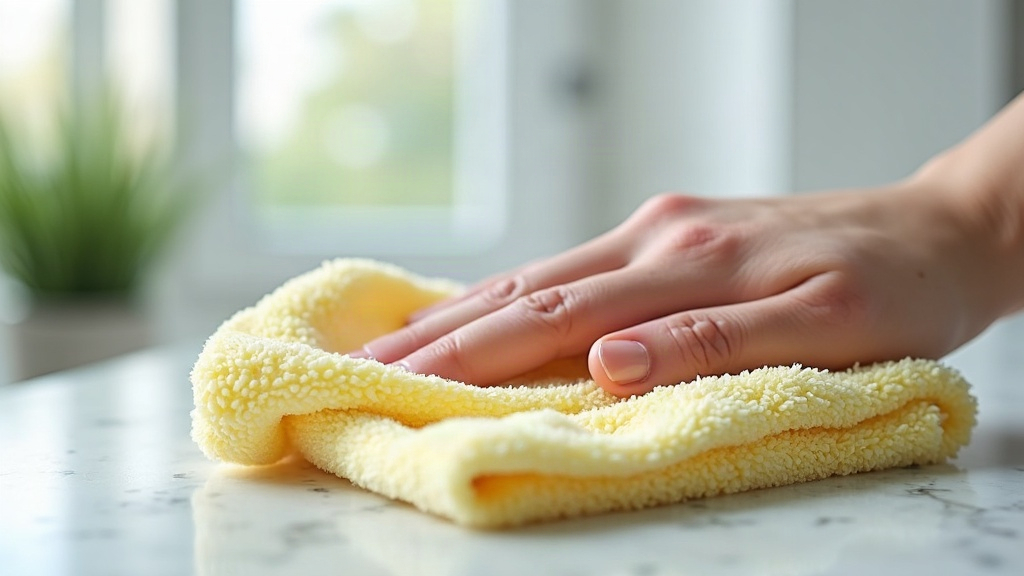
If you want streak-free windows and mirrors, microfiber cloths beat cotton in almost every scenario. They trap dirt instead of smearing it around, shed less lint, and dry glass faster without leaving that hazy film behind. Cotton can still get the job done in a pinch, but it takes more skill, more passes, and usually a vinegar rinse to avoid streaking. Here’s the full breakdown so you can pick the right cloth for your glass, mirrors, and windows.
Why the Cloth Matters More Than the Cleaner
Here’s something most people get wrong: streaks on glass usually aren’t caused by a bad cleaning spray. They’re caused by the cloth. A low-quality cloth tends to do one of three things:
- Leave behind lint or loose fibers that catch light and look like streaks
- Push dirty water around instead of actually lifting it off the surface
- Build up static that pulls dust right back onto the glass seconds after you’ve cleaned it
That’s why switching cloths often solves a streaking problem faster than switching cleaning products ever will.
Microfiber Cloths: The Modern Standard
Microfiber is a synthetic blend of polyester and polyamide, woven so densely that a single square inch can hold thousands of tiny fibers. Those fibers form a wedge-shaped structure under a microscope, which is what lets them scrape up and trap particles instead of just smearing them across the glass.
Pros:
- Lint-free finish, ideal for glass, mirrors, and glossy screens
- Highly absorbent, holding up to 7x its own weight in liquid, so one pass is often enough to dry the surface
- Reusable, with most cloths surviving 300 to 500 machine washes before you notice any drop in performance
- Scratch-safe, won’t scuff glass, chrome fixtures, or tinted windows
Cons:
- Can leave faint streaks if washed with fabric softener, which clogs the fibers and kills absorbency
- Cheap, low-GSM microfiber (anything under 200 GSM) actually performs worse than a decent cotton rag
- Costs more upfront than a strip cut from an old t-shirt
Best technique: Use one microfiber cloth to apply the cleaner and lift the grime, then grab a second dry microfiber cloth to buff. This two-cloth method is exactly what professional window cleaners rely on to get that polished, streak-free look.
Cotton Cloths: The Traditional Choice
Cotton, think old t-shirts, flour sack towels, bar mops pulled from the kitchen drawer, has been the default for decades. It still has plenty of loyal fans, especially people who swear by the old newspaper-and-vinegar method for mirrors.
Pros:
- Very cheap, often free if you’re recycling old fabric
- Soft, comfortable to use, and available everywhere
- Decent for an initial wipe-down on heavily soiled glass
Cons:
- Leaves lint, which shows up badly on dark window frames or a freshly cleaned mirror
- Lower absorbency means it tends to smear liquid rather than pick it up
- Builds static, which pulls airborne dust back onto the glass within minutes
- Needs a second tool, newspaper, a squeegee, or another dry cloth, to actually finish the job streak-free
Best technique: If you’re going with cotton, pick a tightly woven, low-lint fabric like a flour-sack towel. Apply the cleaner, then buff dry with crumpled newspaper or a separate dry cotton cloth. It’s an old trick, but it works, and it’s basically how cotton compensates for its weaker absorbency.
Side-by-Side Comparison
| Feature | Microfiber | Cotton |
|---|---|---|
| Streak-free result | Excellent | Good (with technique) |
| Lint | Minimal | Noticeable |
| Absorbency | High | Moderate |
| Reusability | 300+ washes | Wears out faster |
| Cost per use | Low (long-term) | Very low (short-term) |
| Scratch risk | None | Low |
Which One Should You Use?
- For daily glass and mirror maintenance: microfiber, no contest.
- For heavily dirty windows (pollen, grime, bug splatter): start with a damp cotton rag to break up the worst of it, then finish with microfiber for the shine.
- On a tight budget: cotton works fine paired with newspaper for the final buff. Think of it as the budget version of the two-cloth microfiber method.
- For glass shower doors and chrome fixtures: stick with microfiber. Cotton lint clings to water spots and is a nightmare to pull off textured glass.
Quick Streak-Free Checklist
- Spray cleaner onto the cloth, not the glass, to cut down on drip streaks.
- Wipe in an “S” pattern instead of circles. Circular motions almost always leave faint swirl marks behind.
- Buff dry immediately with a second, clean, dry cloth.
- Skip the fabric softener when washing microfiber. It kills absorbency fast.
- Toss cotton rags once they start feeling rough or shedding visibly. A worn-out rag does more harm than good.
Conclusion
For genuinely streak-free glass, microfiber wins overall. It’s more absorbent, sheds no lint, and can be reused hundreds of times, which makes it both the better performer and the smarter long-term buy. Cotton can still get you there, especially paired with newspaper for the final pass, but it demands more technique and leaves more room to mess up. If your cleaning kit only has room for one type of cloth, make it a good-quality microfiber towel.