Fiberglass Shower Pan vs Acrylic Tub: Mildew Prevention Compared
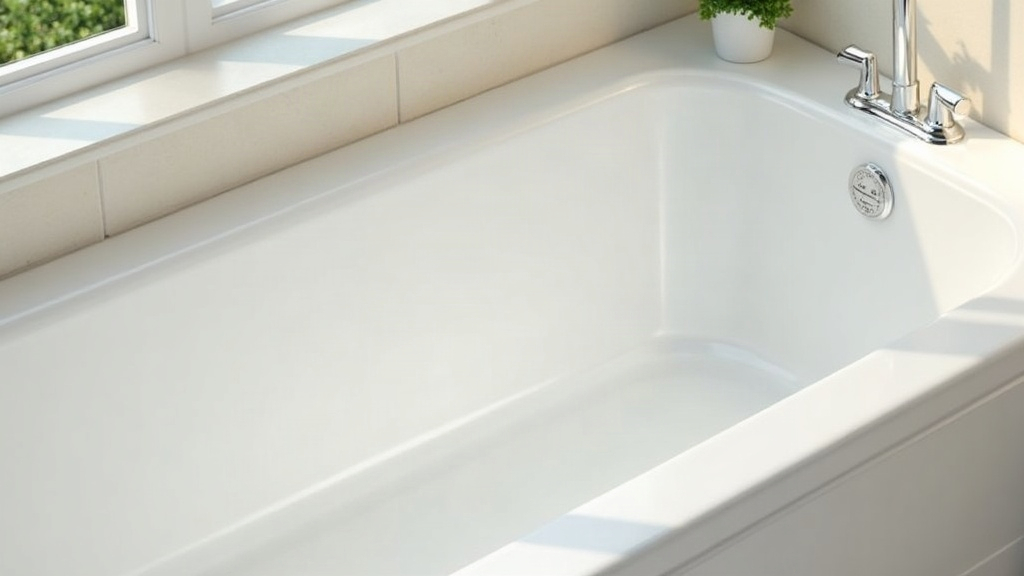
If you’re stuck deciding between a fiberglass shower pan and an acrylic tub, or just trying to figure out why one of them keeps growing mildew faster than the other, here’s the short version: acrylic resists mildew a bit better thanks to its smoother, less porous surface, but fiberglass can hold its own if you clean it right and keep the sealant in good shape. Honestly, the material itself matters less than how the surface ages, scratches, and holds onto moisture over the years.
Why Material Surface Matters for Mildew
Mildew only needs three things to settle in: moisture, organic gunk (soap scum, body oils, dead skin cells), and something to grip onto. Both fiberglass and acrylic start out non-porous, but they don’t wear the same way over time.
Fiberglass Shower Pans
- Built from woven glass fibers soaked in resin, topped with a gel coat.
- That gel coat is doing all the work against water and staining. Once it scratches or thins out, the fiberglass underneath turns micro-porous.
- Scratch it with an abrasive cleaner or a stiff brush and you’ve just carved tiny grooves where soap scum and water like to sit. Mildew loves that.
Acrylic Tubs
- One solid sheet of acrylic plastic, usually backed with fiberglass for extra strength.
- Harder and more scratch-resistant than gel-coated fiberglass, no contest.
- Since it’s not relying on a thin protective layer, acrylic tends to stay smooth and sealed for much longer, even after years of daily showers.
Bottom line: Fresh out of the factory, new acrylic and new fiberglass behave almost identically. The gap only opens up with age, and acrylic ages more gracefully simply because it isn’t depending on a coating that can wear thin.
Cleaning Routines Compared
Cleaning a Fiberglass Shower Pan
- Daily: Squeegee the pan after every shower. Standing water is basically an invitation.
- Weekly: Wipe down with a pH-neutral cleaner (skip the bleach-heavy stuff) using a microfiber cloth or non-scratch sponge.
- Monthly: Apply a fiberglass-safe gel coat restorer or wax. Think of it as reinforcing the armor.
- Avoid: Steel wool, scouring powders, strong acids. These will strip the gel coat in a matter of weeks, not years.
Cleaning an Acrylic Tub
- Daily: A quick rinse with warm water keeps soap scum from building up.
- Weekly: Mild dish soap solution or an acrylic-safe cleaner does the job; a soft cloth is plenty since the surface shrugs off scuffs better than fiberglass does.
- Monthly: Check the caulk lines and grout around the tub. That’s usually where mildew shows up first, not on the acrylic surface itself.
- Avoid: Abrasive pads and ammonia-based cleaners. They’ll dull the finish faster than you’d think.
Where Mildew Actually Forms First
Here’s the thing most people get wrong: the tub or pan surface is rarely the actual culprit. The real hotspots are:
- Caulk and grout lines (porous by nature, so they trap moisture no matter what material surrounds them).
- Shower curtain or door tracks (plastic tracks collect grime surprisingly fast, often within a month or two of neglect).
- Drain overflow covers (the part everyone forgets to clean).
If mildew keeps coming back no matter what you try, check these spots before you start blaming the tub itself.
Prevention Tips That Work for Both
- Ventilation is king. Run the exhaust fan for 20 to 30 minutes after every shower, or just crack a window if you’ve got one.
- Use a squeegee. It sounds almost too simple, but this one habit cuts mildew formation dramatically just by clearing away the moisture it needs to grow.
- Re-caulk annually. Cracked, yellowed, or peeling caulk is a mildew magnet, full stop, regardless of your tub material.
- Pick the right cleaner. Harsh chemicals wreck the protective gel coat on fiberglass or dull the finish on acrylic, which, ironically, makes both surfaces more mildew-prone down the line.
- Keep damp towels and bath mats elsewhere. Leaving wet textiles in the shower area quietly cranks up humidity and gives mildew exactly what it wants.
Which Should You Choose?
- Go with acrylic if you want lower long-term upkeep and better resistance to scratches and mildew, especially in a bathroom that gets heavy daily use.
- Go with fiberglass if budget is your main concern. It’s cheaper upfront, but you’ll need to be more careful with gentle cleaning and keep up with gel coat maintenance to keep mildew from creeping in.
Conclusion
Both fiberglass shower pans and acrylic tubs can stay mildew-free for years. Maintenance decides the outcome far more than the material does. Acrylic has a slight edge, mainly because its surface is tougher and doesn’t rely on a coating that wears away, but a fiberglass pan that gets gentle, consistent care and the occasional gel coat refresh can hold up just as well. Stay on top of ventilation, squeegee after every shower, and keep your caulk lines fresh, and mildew won’t get much of a foothold no matter which material sits in your bathroom.