Natural vs. Enzymatic Cleaners for Pet Urine Odors
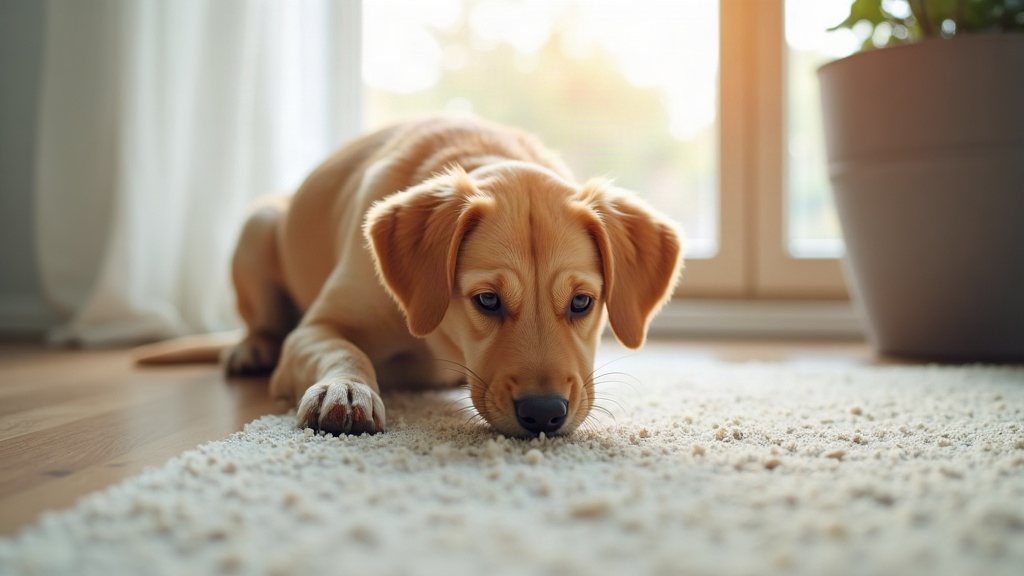
If your dog or cat has had an accident on the carpet, sofa, or hardwood floor, you’ve probably stood there wondering: will vinegar actually fix this, or do I need something stronger? Here’s the short answer: enzymatic cleaners win for real urine odor removal, because they break down the uric acid crystals responsible for that lingering smell. Vinegar, baking soda, and other “natural” fixes can mask odor for a while, but they rarely touch the actual source.
Why Pet Urine Smells So Persistent
Pet urine carries uric acid crystals that latch onto fibers and porous surfaces almost like glue. Water alone won’t dissolve them. Worse, these crystals reactivate with humidity, which explains why a spot you cleaned six months ago can suddenly start smelling again on a muggy afternoon or after a rainstorm.
That’s the whole problem with most home remedies: they don’t break the uric acid bond. They just cover it up, or neutralize what’s on the surface, for a little while.
How Enzymatic Cleaners Work
Enzymatic cleaners contain live bacteria cultures that produce enzymes, protease and lipase among them, which quite literally digest the organic gunk in urine: the uric acid, the proteins, the fats. As the bacteria feed on this waste, the odor source disappears rather than getting buried under a new scent.
Pros:
- Breaks down uric acid crystals at a molecular level
- Works on carpets, upholstery, mattresses, hardwood, and grout
- Stops pets from re-marking the same spot, since the scent trail is destroyed
- Delivers results that actually last, when used properly
Cons:
- Takes time to work (usually 10-15 minutes minimum, longer for older stains)
- Needs to fully soak the affected area, not just sit on top of it
- Some formulas carry a faint smell while the enzymes are active
Best enzymatic products: Look for labels that say “bio-enzymatic,” “professional strength,” or that list specific enzymes (protease, amylase, lipase). Rocco & Roxie, Nature’s Miracle, and Angry Orange Enzyme formulas are among the more popular picks.
How Natural Cleaners Work
Natural remedies rely on a different, gentler kind of chemistry:
- White vinegar: The acidity neutralizes the alkaline salts in dried urine, cutting the smell temporarily, but it leaves the uric acid crystals untouched.
- Baking soda: Soaks up moisture and some odor molecules; decent as a deodorizing layer on top of a deeper clean.
- Hydrogen peroxide + dish soap: Can lift certain stains, but it risks bleaching colored fabric and still won’t fully break down uric acid.
- Essential oils: Mask smell, nothing more. And some, tea tree oil especially, are toxic to pets. Skip these entirely.
Pros:
- Cheap and easy to find around the house
- No harsh chemical residue left behind
- Fine as a first response to surface-level messes
Cons:
- Leaves uric acid intact, so the odor tends to creep back
- Can bleach or discolor fabric and carpet fibers
- Basically useless on old or deeply set stains
Which One Should You Actually Use?
- Fresh accidents (just happened): Blot up the excess liquid first, then go straight for an enzymatic cleaner. Don’t lean on vinegar alone and hope for the best.
- Old, dried, or recurring odor spots: Enzymatic cleaner isn’t optional here, it’s essential. Natural methods almost never reach uric acid that’s already embedded deep in the fibers.
- Hardwood floors or grout: Choose an enzymatic cleaner made for hard surfaces so you eliminate the odor without warping the wood.
- Litter box area odor: A combo approach works best: enzymatic cleaner for the floor and surrounding surfaces, baking soda mixed into the litter for everyday upkeep.
- Sensitive households (babies, chemical sensitivities): Go fragrance-free enzymatic rather than skipping treatment altogether. Masking odor without removing the source almost always backfires, sooner or later.
A Simple Application Method That Works
- Blot (never rub) fresh urine with paper towels.
- Saturate the spot generously with enzymatic cleaner, more than feels necessary.
- Let it sit uncovered for at least 15-20 minutes (check the label; some set-in stains need hours).
- Blot it dry, then let the area air dry completely. No walking on it in the meantime.
- For old, stubborn stains, repeat the process 2-3 times over a few consecutive days.
Conclusion
Natural cleaners still have a place, they’re handy for daily deodorizing and quick surface wipe-downs. But when the goal is actually eliminating pet urine odor at its source, enzymatic cleaners are the clear winner, no contest. And if that smell keeps returning no matter how many times you’ve scrubbed it, that’s your sign: uric acid crystals are still sitting there, and only enzymes are going to break that bond for good.