Beginner's Guide to Cleaning a Ceramic Glass Stovetop Safely
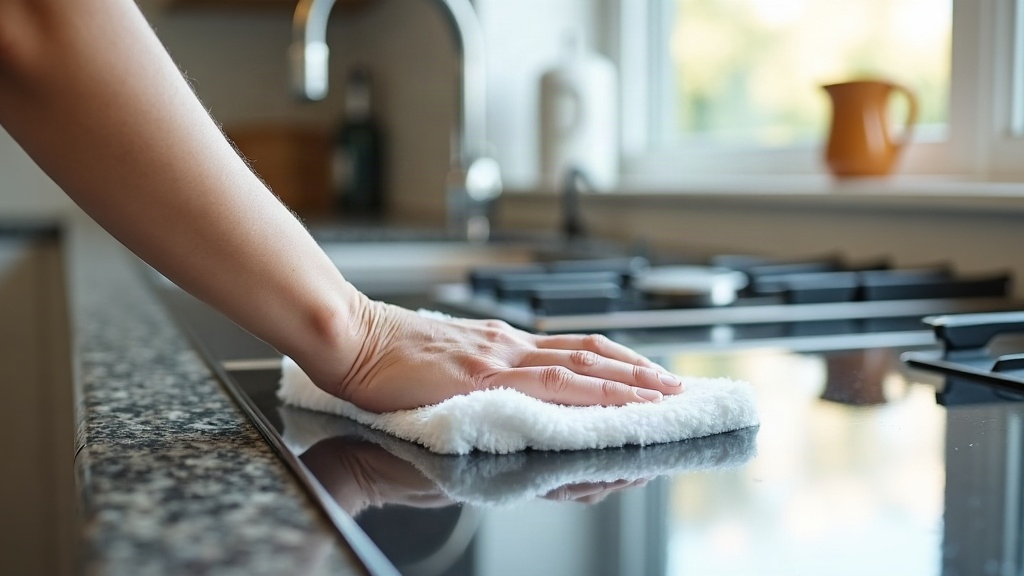
How to Clean a Ceramic Glass Stovetop Without Scratching It
Ceramic glass stovetops intimidate a lot of people the first time they try to clean one. Grab the wrong pad, reach for a harsh chemical, and you’re left staring at a scratch that won’t buff out no matter how hard you try. Here’s the thing though: once you know the right technique, this job takes maybe five minutes and leaves zero marks. Let’s walk through it.
Why Ceramic Glass Stovetops Need Special Care
Compared to old-school coil or gas burners, glass cooktops are sleek and wipe clean in seconds. But that smooth surface is also surprisingly fragile. Steel wool, rough sponges, acidic cleaners, any of these can:
- Scratch the glass permanently
- Dull the finish over time
- Trap grime inside micro-scratches, which makes every future cleaning session harder
So the real lesson here isn’t “scrub harder.” It’s “pick the right tool.”
What You’ll Need
Round up these supplies before you start. None of them are expensive or hard to find:
- A soft microfiber cloth or non-abrasive sponge
- A ceramic cooktop-specific cleaning cream (your local grocery or hardware store will carry at least one brand)
- A single-edge razor blade scraper made specifically for glass cooktops
- White vinegar and baking soda, if you want a natural option
- Warm water
One rule of thumb: skip anything on the shelf labeled “abrasive,” “scouring,” or “heavy-duty” unless the packaging says, in plain words, that it’s safe for ceramic glass.
Step-by-Step: Daily Cleaning (Light Dirt)
- Let the stove cool down fully first. Wiping a hot surface risks burns, and it also tends to smear grime around instead of lifting it.
- Wipe with a damp microfiber cloth. This handles dust, splatters, and the occasional water spot without any fuss.
- Add a drop of dish soap if you’re dealing with grease. Just a little on the damp cloth cuts through oily residue fine.
- Finish with a dry cloth. Skip this and you’ll end up with streaks or water spots baked on by the next use.
Here’s the part most people miss: doing this after every single use is what actually prevents scratches. It’s not the cleaning that damages the glass, it’s the buildup that forms when you skip cleaning for a week.
Step-by-Step: Deep Cleaning (Burnt-On Stains)
Got a crust of burnt sugar or baked-on sauce? This takes a bit more patience.
- Spread a generous layer of ceramic cooktop cleaning cream over the stain.
- Give it 5 to 10 minutes to soften the gunk.
- Scrape at a 45-degree angle, using a cooktop razor scraper, pushing in one direction, away from your body. Never saw back and forth; that’s how gouges happen.
- Wipe the loosened residue away with a damp microfiber cloth.
- Buff it dry with a soft towel.
Natural Alternative: Vinegar and Baking Soda
Prefer to skip the chemical cream? This works surprisingly well:
- Sprinkle baking soda across the stained patch
- Soak a cloth in warm vinegar, lay it over the baking soda, and leave it for 10 to 15 minutes
- Rub gently in small circles with a soft cloth
- Rinse, then dry
The fizzing reaction between the vinegar and baking soda breaks down grease and burnt bits without any grit that could scratch the surface.
Common Mistakes Beginners Make
- Scrubbing with paper towels or dry cloths. They pick up grit from your counter and drag it right across the glass, leaving hairline scratches you won’t notice until the light hits them.
- Cleaning while the stove’s still warm. This just bakes the mess deeper into the surface instead of lifting it off.
- Scraping straight down instead of at an angle. A 90-degree scrape gouges glass. A 45-degree angle glides.
- Letting spills sit. Sugary spills in particular can etch glass permanently if they’re left too long, even after the surface has cooled.
How to Prevent Scratches Long-Term
- Lift pots and pans to move them. Never slide a heavy cast-iron skillet across the glass.
- Check the bottom of each pan for rough spots, dried food, or grit before setting it down.
- Choose cookware with flat, smooth bottoms built for glass cooktops. Warped pans are a scratch waiting to happen.
- Wipe up spills the moment it’s safe to touch the surface, not an hour later.
Final Tips for Beginners
- Try any new cleaner on a small, out-of-the-way corner first, just in case.
- Run the cream treatment once a week even when the top looks spotless. Buildup you can’t see is still buildup.
- Keep your scraper and cloth stored right by the stove. If cleaning takes ten extra seconds to locate the tools, you’ll skip it. Make it effortless and it becomes a habit.
Final Thoughts
Keeping a ceramic glass stovetop scratch-free isn’t about muscle. It’s about soft tools, the right cream, and a light touch. Wipe it down daily, scrape at the right angle when needed, and steer clear of anything abrasive, and the glass will stay looking showroom-new for years. Takes a few minutes a day, and honestly, once it’s a habit you won’t even think about it.