How to Remove Soap Scum from Textured Porcelain Tub Surfaces
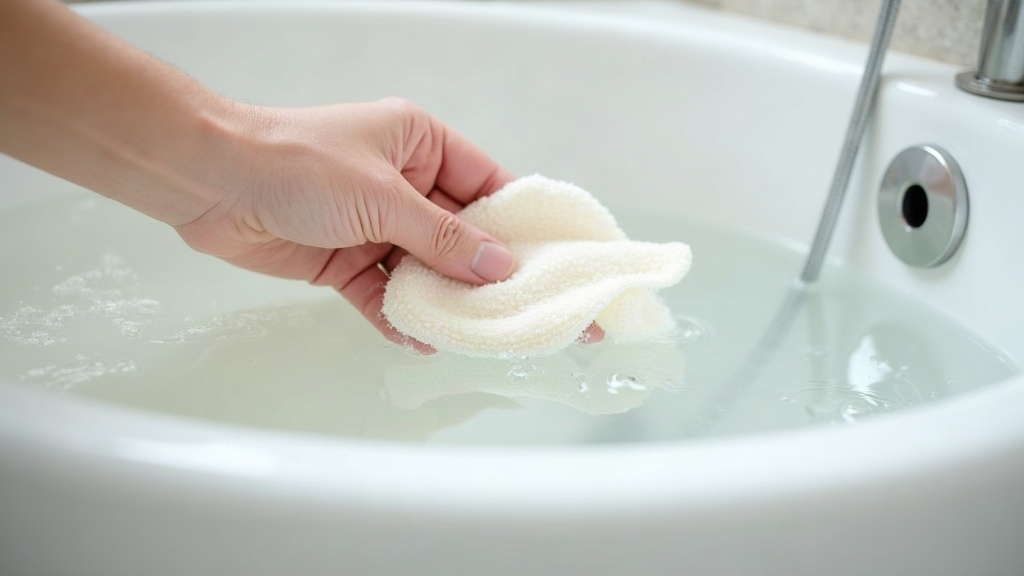
Textured porcelain tubs get those grooves and dimples for one reason: slip resistance. But the same texture that keeps you from falling also happens to be perfect for trapping soap scum, body oils, and mineral deposits. Getting rid of it takes the right chemistry, a soft-bristled brush that can actually reach into the texture, and some patience. What it doesn’t need is aggressive scrubbing, which wears down the anti-slip surface and dulls the glaze over time. Here’s a method that lifts scum out of every groove without wrecking the finish.
Why Textured Porcelain Traps Soap Scum So Easily
Soap scum is what happens when soap reacts with hard water minerals like calcium and magnesium, forming a waxy film that won’t dissolve in water. On a flat surface, that film wipes off without much trouble. On textured porcelain, though, you’ve got thousands of tiny bumps and channels for the scum to hide in. It builds up faster there and, frankly, looks a lot worse than it would on a smooth tub.
A few signs your textured tub has a scum problem:
- A dull, chalky white or gray film that water alone won’t rinse away
- A gritty, sandpaper-like feel underfoot even right after a shower
- Faint yellow or pink tinting in the grooves (usually mineral buildup mixed with a bit of bacteria)
What You’ll Need
- White vinegar (or a vinegar-based cleaner)
- Baking soda
- Dish soap, ideally a grease-cutting formula
- A soft nylon-bristle brush, or an old toothbrush for the tighter grooves
- A microfiber cloth
- Optional: a plastic scraper for tough spots, and rubber gloves if your hands are sensitive
Skip the steel wool, gritty powders, and scouring pads. Porcelain has a glass-like glaze on top, and abrasive scrubbing leaves micro-scratches. Those scratches then collect scum even faster than before, so you end up making the problem worse in the long run.
Step-by-Step: Removing Soap Scum from Textured Porcelain
1. Rinse and Pre-Wet the Surface
Run hot water over the textured area for a minute or two. The heat softens up that waxy film and makes everything easier to lift later.
2. Apply a Vinegar Soak
Spray or wipe undiluted white vinegar generously across the surface. If the buildup is heavy, soak some paper towels in vinegar and press them into the grooves for 15 to 20 minutes. The mild acid breaks down mineral deposits without touching the porcelain’s glaze (vinegar is a different story on natural stone, where it should never be used).
3. Make a Baking Soda Paste
Mix baking soda with a little water or dish soap until you get something spreadable. Baking soda gives you gentle abrasion, just enough to scrub scum out of the grooves without scratching the glaze.
4. Scrub With the Grain of the Texture
Spread the paste over the vinegar-soaked section and scrub with a soft nylon brush. Work in small circles first, then follow the direction of the texture pattern. Got raised dots or a diamond pattern? An old toothbrush works best for getting around the edges of each bump.
5. Rinse Thoroughly
Rinse with hot water and run your hand over the surface to check. Still feels gritty in spots? Repeat the vinegar-and-baking-soda step there instead of scrubbing harder. Repetition wins over force every time with porcelain.
6. Dry and Buff
Dry the tub with a microfiber cloth. This keeps new mineral spots from forming as water evaporates, and a light buff brings back some shine to the glaze.
Dealing With Stubborn or Old Buildup
Scum that’s been sitting for months, hardened and set in, might need a store-bought remover with citric acid or mild surfactants. Just double-check the label says it’s safe for porcelain first. Let it sit for the recommended time, then go back in with the baking soda scrub for the textured areas. One warning worth repeating: never mix bleach-based cleaners with vinegar or ammonia products. That combination produces fumes that can genuinely hurt you.
Preventing Soap Scum From Coming Back
- Switch to a liquid or syndet soap. Traditional tallow-based bar soaps leave far more scum behind than gel body washes do.
- Squeegee the tub after every shower, especially the textured zones. Takes 20 seconds, saves you a scrubbing session later.
- Install a shower filter if your water is hard. Less mineral content means less scum forming in the first place.
- Wipe down with vinegar once a week. A quick pass keeps buildup from ever getting the chance to harden.
Conclusion
At its core, cleaning a textured porcelain tub is about softening the film first (heat plus vinegar) and then working it loose with a gentle baking soda scrub, groove by groove. Skip the abrasive pads entirely; they scratch the glaze and create more problems than they solve. Keep up a short weekly routine and that texture will keep doing its real job, giving you safe footing, without turning into a magnet for scum.