How to Clean Window Screens Without Removing Them from the Frame
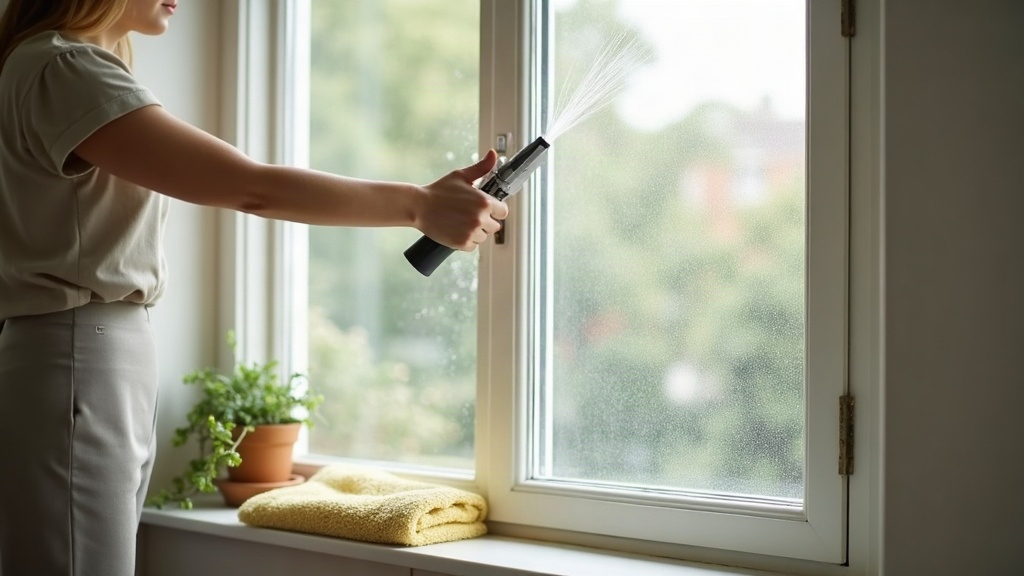
Cleaning window screens without popping them out of the frame? Totally doable, and honestly, it’s often quicker than the full removal routine. Grab a vacuum, a soft brush, a microfiber cloth, and a mild cleaning solution, and you can knock out the dust, pollen, cobwebs, and general grime in a few minutes per window. No screwdriver, no fuss.
A lot of homeowners figure screens have to come out and get hosed down outside before they’re actually clean. That approach does work for heavy grime, sure, but it’s not always realistic. Think about a second-floor window with a stuck frame, or a Tuesday afternoon when you just want the screen to look decent again before guests show up. The in-place method below covers about 90% of everyday dirt buildup, safely and without the drama.
Why Clean Screens In Place?
- Faster: Skip the disassembly and reinstallation entirely.
- Safer: Less chance of bending the frame or tearing that fragile mesh while wrestling it out.
- Ideal for upper floors: No ladder, no leaning out a window three stories up.
- Good for regular maintenance: Keeps grime from piling up between your deeper, seasonal cleans.
What You’ll Need
- A vacuum with a brush attachment (a handheld model works fine too)
- A soft-bristle brush, or honestly, an old paintbrush does the job
- Microfiber cloths (2–3 on hand)
- A spray bottle with a mild solution (warm water plus a few drops of dish soap, or equal parts water and white vinegar)
- A dry towel to catch any drips
Step-by-Step Cleaning Method
1. Vacuum Both Sides First
Start with the vacuum and brush attachment, working in gentle, overlapping strokes. Do the inside first, then crack the window (or step outside if you can reach) to hit the exterior side too. This pulls up loose dust, pet hair, and cobwebs before anything wet touches the mesh. Skip this step and you’ll end up smearing dry dust into mud the second you spray it.
2. Brush Away Stubborn Debris
Got caked-on pollen or dust the vacuum couldn’t grab? A soft brush, worked in small circles, handles it. A clean paintbrush, the kind you’d use for trim, is surprisingly good for corners and tight frame edges where grime likes to hide.
3. Lightly Mist, Don’t Soak
Mix warm water with a few drops of dish soap, or go 50/50 vinegar and water if you want a bit more cutting power against grease and pollen film. Mist it lightly. Don’t drench the thing. Excess liquid runs straight down onto the sill, the sash, sometimes your flooring if the window’s open.
4. Wipe With a Microfiber Cloth
Wipe the mesh in one direction with a microfiber cloth. These trap fine particles rather than just shoving them around the way a regular rag does. Fold to a clean section as it picks up grime, every minute or so if the screen’s really dirty. And go easy. Pressing hard stretches the mesh, and over time that turns into sagging or small tears.
5. Dry and Inspect
Run a dry towel along the frame edges and sill to catch the last few drips. Then just let the screen air-dry before you close the window back up. In decent weather, that’s maybe five minutes, sometimes less.
Tips for Hard-to-Reach or Upper-Floor Windows
- A vacuum with an extension wand lets you clean from inside without fully opening the window.
- For exterior grime on upper floors, a telescoping duster with a microfiber head works from the ground or a sturdy step stool. No need to climb anything sketchy.
- Skip pressure washers and garden hoses on in-place screens. The water pressure alone can distort the mesh or shove dirt straight into the window tracks, which is worse than where you started.
How Often Should You Clean Screens?
- Monthly: A quick vacuum pass, especially during pollen season or dusty stretches.
- Every 2–3 months: The full soap-and-water wipe-down.
- Seasonally (spring/fall): If corners are visibly stained or grime’s built up in the grooves, pull the screens and give them a proper deep wash.
Common Mistakes to Avoid
- Too much water: Leads to streaking, and can warp aluminum or fiberglass mesh over time.
- Scrubbing too hard: Weakens the material, sometimes even creates small holes.
- Skipping the vacuum step: You’ll get muddy streaks the moment a wet cloth meets dry dust.
- Ignoring the frame: Dirt sitting in the grooves eventually works its way back onto the mesh you just cleaned.
Conclusion
A few minutes, a vacuum, a soft brush, and a light mist of soapy water, that’s really all it takes to keep screens looking sharp without ever removing them. Vacuum first, hit the stubborn spots with a brush, mist lightly, wipe gently. Save full removal for the seasonal deep clean, and let this in-place routine handle the regular upkeep in between.