Cleaning Hardwood Floors Safely: Engineered vs. Solid vs. Bamboo
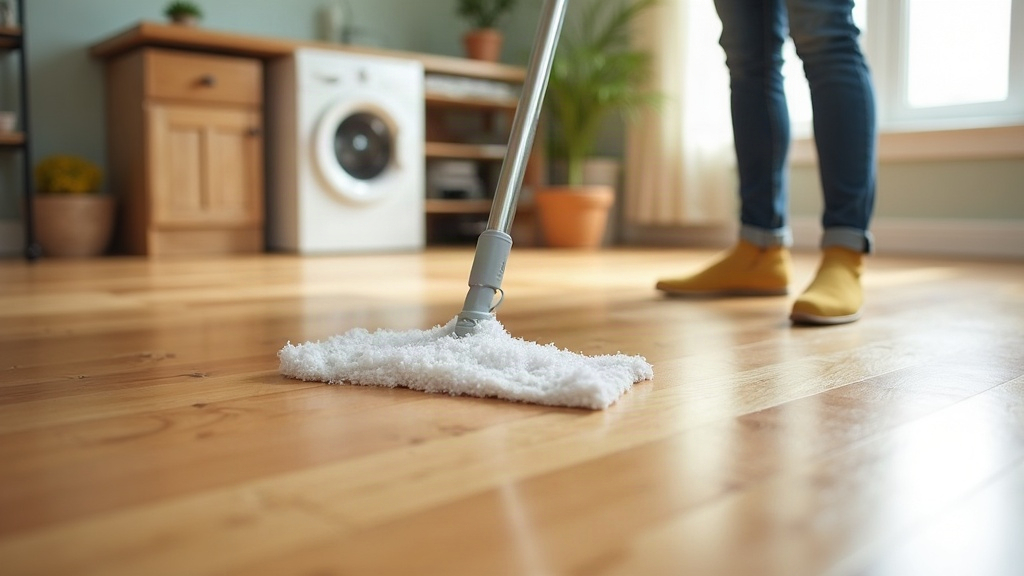
Cleaning hardwood floors safely depends a lot on what’s actually under your feet. Engineered, solid, and bamboo floors each handle moisture, heat, and chemicals differently, and treating them all the same is how people end up with warped planks, dulled finishes, or a voided warranty. Pour on too much water, reach for an ammonia-based spray, run a steam mop across it because it “seemed fine on tile.” These are the classic mistakes. Here’s how to clean each floor type the right way, along with the tools and products that actually hold up.
Why Floor Type Matters Before You Clean
Here’s the thing: “hardwood” isn’t one material. Before you grab a mop, figure out exactly what you’re dealing with.
- Solid hardwood is a single piece of wood (oak, maple, walnut) milled all the way through. It’s the most moisture-sensitive of the bunch because it expands and contracts with every shift in humidity.
- Engineered hardwood has a thin real-wood veneer glued over layers of plywood. More stable dimensionally, sure, but that top layer is thin and can still get wrecked by standing water or overly aggressive stripping.
- Bamboo is technically a grass, not a wood, though it behaves a lot like hardwood in practice. It’s harder than many traditional woods, but it’s also more prone to water spotting and fading under UV light.
If your floor came with a manufacturer’s care guide, check it. A surprising number of warranties specify which cleaning products you’re allowed to use.
General Rules for All Hardwood-Type Floors
No matter which type you have, a few rules apply across the board:
- Avoid standing water. Water that creeps into the seams causes swelling, cupping, or that grayish discoloration nobody wants.
- Skip steam mops entirely. Heat plus moisture is about the fastest combination for ruining a finish or veneer.
- Never use vinegar or ammonia-based cleaners on finished wood. Over time they eat away at polyurethane coatings, leaving the floor dull or faintly sticky.
- Use microfiber, not cotton string mops. Microfiber grabs dust and grit (the real culprit behind most scratches) instead of just pushing it around in a puddle.
- Wipe up spills right away, especially pet accidents. Those are acidic enough to etch finishes if they sit for even twenty minutes.
Cleaning Solid Hardwood Floors
Solid hardwood is the most moisture-sensitive of the three. Think “barely damp,” not “wet.”
- Dry mop or vacuum first, using a hardwood attachment with no beater bar, to clear away grit before it gets ground into the finish.
- Use a well-wrung microfiber mop, lightly misted with a pH-neutral hardwood cleaner. Never pour liquid straight onto the boards.
- Dry with a clean towel if any dampness lingers, particularly near entryways where foot traffic and moisture both concentrate.
For regular shine, pick cleaners labeled safe for polyurethane or oil finishes. Skip oil-soap products (the old Murphy’s Oil Soap routine your grandmother swore by) on polyurethane floors. They leave behind a residue that attracts dirt and, after enough applications, dulls the whole surface.
Cleaning Engineered Hardwood Floors
Engineered floors can handle a bit more daily wear, but the veneer is thin and refinishing options are limited once it’s damaged. Prevention beats correction here.
- Vacuum weekly with a soft-brush or hardwood setting.
- Clean with a product labeled specifically for engineered wood, or a diluted pH-neutral solution in a spray bottle. Spray the mop pad, not the floor itself.
- Skip wax-based products altogether. Most engineered floors already have a factory finish, and wax on top just makes it slippery or hazy.
- In kitchens, put a washable rug near the sink. It catches splashes before they reach the seams.
Cleaning Bamboo Floors
Bamboo looks and feels like hardwood, but it has its own quirks worth knowing:
- It fades in direct sun and spots from water more readily than oak or maple does.
- Stick with the same barely-damp microfiber method, using a bamboo-safe or pH-neutral cleaner.
- Keep indoor humidity somewhere between 35 and 55 percent. Bamboo swells and shrinks noticeably with moisture swings, more so than you’d expect.
- Move your rugs and furniture around every so often so the sun doesn’t fade the floor unevenly, leaving obvious outlines where a rug used to sit.
Tools and Products Worth Having
- A microfiber flat mop with washable, replaceable pads
- A pH-neutral hardwood or bamboo-safe cleaner (check that the label explicitly says “no wax, no residue”)
- A soft-bristle vacuum attachment, or a canister vacuum with a hardwood setting
- Felt pads under furniture legs, so you’re not adding fresh scuffs while you clean
Common Mistakes to Avoid
- Grabbing a generic all-purpose cleaner made for tile or vinyl
- Leaving the mop head soaking in the bucket, then not wringing it out properly
- Scrubbing a dried spill with an abrasive pad, which just scratches the finish
- Polishing too often. It builds up layer after layer and eventually turns cloudy instead of glossy
Conclusion
There’s no single “right way” to clean hardwood floors. It depends entirely on whether you’re dealing with solid, engineered, or bamboo flooring, and treating them identically is where most of the damage comes from. What ties all three together is the same basic logic: minimal water, pH-neutral products, and regular removal of the dust and grit that scratches finishes over time. Get the type-specific details right, and your floors will stay looking good, and holding up, for years.