Cleaning Ceiling Fan Blades Without Dust Falling: Beginner vs Advanced
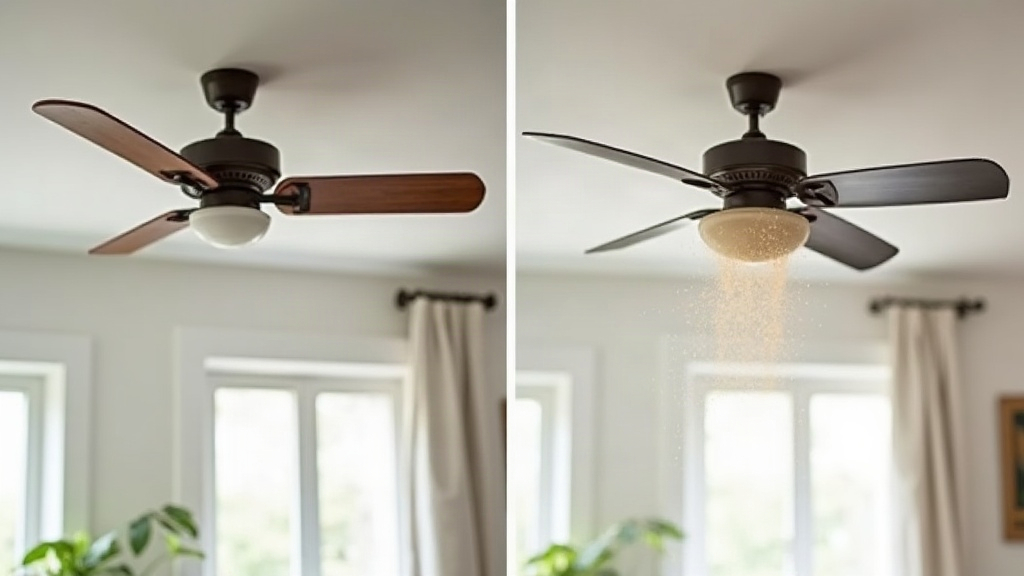
Cleaning ceiling fan blades without showering your furniture in dust is one of those tasks that can go sideways fast if you don’t have a plan. Wipe a blade the wrong way and you’ll spend the next twenty minutes vacuuming your dresser. The good news: whether you’re working with basic household stuff or you want a faster system for a house full of fans, there’s a way to keep the dust contained and your cleanup short.
Why Ceiling Fan Dust Is So Messy
Fan blades pull in dust because of static electricity combined with the air they’re constantly pushing around. Wipe or shake a blade without thinking, and that dust doesn’t just vanish. It drifts down onto beds, tables, dressers, whatever happens to be underneath. That’s the real reason people end up cleaning the same room twice: once for the fan, once for everything the fan dumped on.
Beginner Method: The Pillowcase Trick
This one’s the classic starter move. No special tools, no learning curve, and it works better than most people expect the first time they try it.
What you need:
- An old pillowcase (one you don’t mind getting dusty)
- A step stool or ladder
Steps:
- Turn the fan off and wait until the blades come to a complete stop.
- Slide the pillowcase over one blade so it’s fully covered.
- Close the opening around the base of the blade with your hand, sealing it shut.
- Pull the pillowcase back slowly. The fabric drags the dust off the blade and keeps it trapped inside instead of letting it fall.
- Move to the next blade and repeat. When you’re done, shake the pillowcase out over a trash can, or better yet, outside.
Why it works: The dust never gets the chance to fall because it’s caught inside the case the moment it comes off the blade. Great for beginners since it costs nothing, there’s almost no risk involved, and you’re not juggling awkward tools while standing on a ladder.
Limitations: On a fan with five or more blades, or a ceiling that’s really high, this can take a while. You also need a steady hand up there, since you’re reaching and pulling with one arm while balancing.
Advanced Method: The Microfiber Extension Duster + Drop Cloth Combo
If you clean fans often, or you’re dealing with vaulted ceilings where a ladder isn’t practical, this setup is worth the small investment. It cuts down on trips up and down the ladder and gets the job done in a fraction of the time.
What you need:
- An extendable microfiber duster (the fuzzy kind that grabs dust through static)
- A lightweight drop cloth or an old bedsheet
- Optional: a slightly damp microfiber cloth for grease or stuck-on grime
Steps:
- Spread the drop cloth on the floor directly under the fan. Think of it as insurance against any stray particles.
- Extend the duster so you can reach the blades while standing flat on the ground.
- Run the duster slowly along the top of each blade, moving in one direction only. The microfiber fibers pull dust in through static rather than knocking it loose into the air.
- For kitchen fans caked in grease, or just heavier buildup, follow up with the barely damp cloth. Wipe gently so nothing drips onto furniture below.
- Shake the duster out outside (or rinse it under the tap), then fold the drop cloth and shake that out away from any indoor surfaces too.
Why it works: Static-attracting fibers plus a catch-all cloth on the floor means even the dust that slips past the duster never makes it to your furniture. If you’ve got three or four fans to clean, or ceilings that are twelve feet up, this method will save you real time.
Quick Comparison
| Factor | Beginner (Pillowcase) | Advanced (Duster + Drop Cloth) |
|---|---|---|
| Cost | Free (reuse old pillowcase) | Low (one-time duster purchase) |
| Speed | Slower, blade-by-blade | Faster, especially for tall ceilings |
| Mess control | Excellent, zero fallout | Very good, with safety net |
| Best for | Occasional cleaning, low ceilings | Frequent cleaning, high/vaulted ceilings |
Extra Tips for Both Methods
- Power off, blades fully stopped, every single time. No exceptions.
- Wipe from one end of the blade to the other in a single pass. Going back and forth just flings dust around mid-wipe.
- In dry, dusty climates, aim for every two to four weeks. Skip a couple months and the buildup gets thick enough that even these methods struggle to contain it.
- Sticky residue on a blade (kitchens, I’m looking at you) won’t come off with a dry cloth or duster alone. That’s when the damp-cloth step earns its keep.
Conclusion
Both methods are really solving the same problem, keeping dust from raining down while you work, but they fit different situations. If you’ve got one or two fans and a low ceiling, the pillowcase trick costs nothing and does the job well. If you’re cleaning fans on a regular schedule, or your ceilings are tall enough that a ladder feels risky, the duster-and-drop-cloth combo will pay for itself the first time you use it. Either way, pick the one that fits your house, and fan cleaning stops being the chore that makes more mess than it solves.