How to Remove Hard Water Mineral Rings Below the Toilet Bowl Waterline
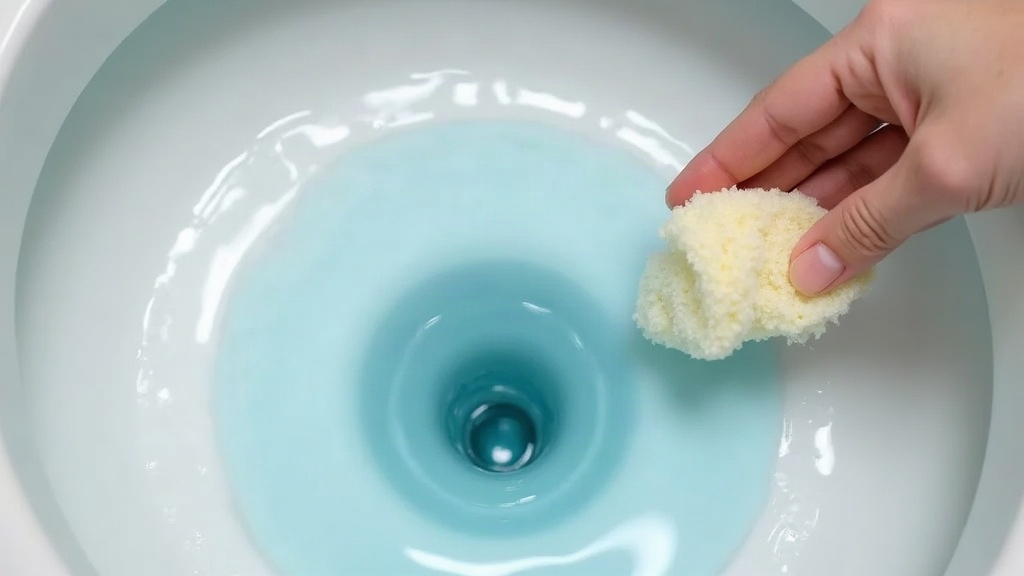
Why Your Toilet Has That Stubborn Ring at the Waterline
Those brown, orange, or gray rings sitting just below the waterline aren’t dirt. They’re calcium, magnesium, and iron deposits that build up slowly every time your toilet refills. The good news is that in almost every case, you can get rid of them yourself with an acidic cleaner, some elbow grease, and a little patience. No need to call in a professional for this one.
Why Hard Water Rings Form Below the Waterline
Think about what happens every time you flush: fresh water fills the bowl and just sits there until the next flush. If that water is mineral-rich, those minerals slowly bond to the porcelain. Give it a few weeks or months and you’ve got a crusty ring that won’t budge with regular cleaning.
A few things make this worse:
- Hard water in your home (very common with well water, and plenty of municipal supplies too)
- Skipping regular toilet cleaning
- Old pipes leaching rust or iron bacteria, which tints the ring orange
- A fill valve that lets water sit stagnant longer than it should
Here’s the catch: because that ring sits below the waterline, it’s always wet. Your everyday toilet bowl cleaner isn’t built to dissolve mineral deposits, it’s built to disinfect. Different job entirely.
Step-by-Step: Removing the Ring
1. Shut Off the Water and Drain the Bowl
Start by turning off the water supply valve behind the toilet. Flush to empty out most of the water, then grab a cup or small container and bail out whatever’s left. You want that waterline fully exposed and as dry as possible before moving on.
2. Choose an Acidic Cleaner
Mineral deposits are alkaline by nature, so acid is what breaks them down, and fast. A few solid options:
- White vinegar, gentle and safe, works well on light-to-moderate buildup
- CLR or Lime-A-Way, stronger commercial descalers for tougher jobs
- Citric acid powder, dissolved in warm water, a great pick for heavy, crusty rings
- Pumice stone (the wet, toilet-safe kind), for manual scrubbing on spots that won’t dissolve
One safety note worth repeating: never mix bleach with an acidic cleaner. That combination releases toxic fumes.
3. Apply and Let It Sit
Pour the cleaner right onto the ring so it coats the exposed porcelain evenly. Dealing with heavy buildup? Try this instead:
- Soak paper towels in vinegar or a citric acid solution and press them straight onto the ring like a compress
- Leave it for 30 minutes to 2 hours if you’re using vinegar, or check the label for commercial descalers
4. Scrub
Grab a stiff toilet brush, or a wet pumice stone if the buildup is really stubborn (just test it first on fiberglass or colored porcelain, since pumice can scratch those surfaces). Work in circular motions. Soaking first and then scrubbing is usually enough to lift rings that have been there for years.
5. Rinse and Repeat if Needed
Turn the water back on, flush, and take a look. Old or particularly stubborn rings sometimes need a second round before they’re fully gone.
Preventing Future Rings
- Wipe it down weekly with a vinegar rinse before deposits get a chance to harden
- Install a water softener if hard water is an issue throughout your whole house, not just the toilet
- Drop in a tank tablet designed for limescale prevention (skip bleach tablets, they wear out rubber seals over time)
- Keep the lid closed when the toilet’s not in use, which cuts down on mineral concentration from evaporation
What If the Ring Won’t Come Off?
Tried a couple of rounds and it’s still there? A few possibilities:
- The ring is etched into the porcelain itself. Deep scrubbing with pumice can help smooth it out, but if the etching is severe, it might be permanent.
- It’s rust, not mineral scale, likely from old galvanized pipes. Vinegar won’t cut it here, a rust remover like Iron Out will do a much better job.
- There’s a mechanical issue, like a worn wax ring or a flapper that’s not sealing right, causing water to sit lower than it should. Worth having a plumber check the fill valve and flapper.
In rare, worst-case scenarios, a bowl that’s badly etched or stained might need professional refinishing, or even replacement.
The Bottom Line
Hard water rings look nasty, but they’re one of the more fixable toilet problems out there. An acidic cleaner, a good soak, and some scrubbing will clear up most rings within one or two attempts. After that, a quick weekly vinegar rinse is really all it takes to keep new deposits from forming and your toilet looking clean year-round.