Why Your Front-Load Washer Smells Musty & Gasket Cleaning Guide
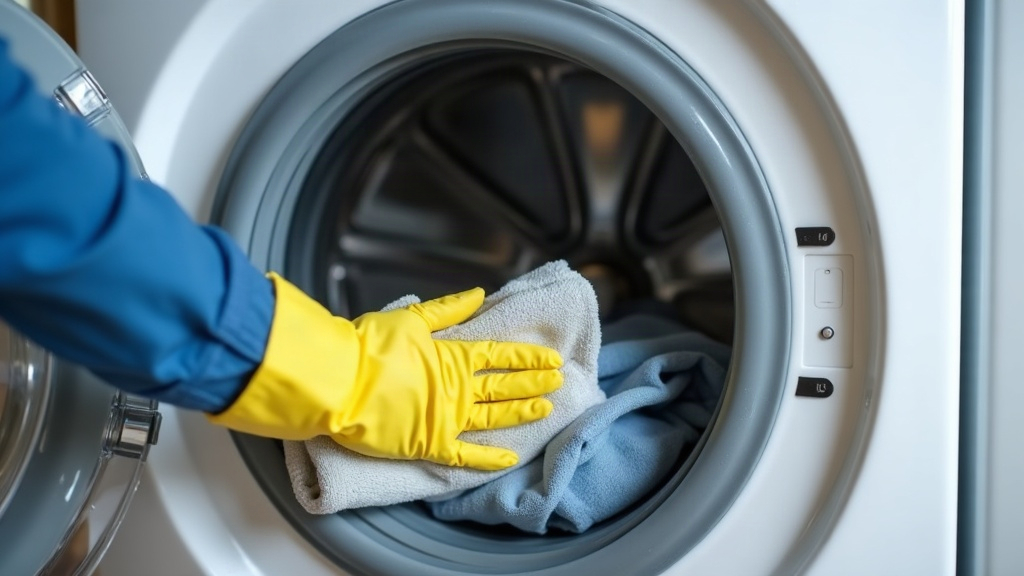
If your front-load washer smells musty, nine times out of ten the problem is mold and mildew hiding in the rubber door gasket. Trapped moisture, leftover detergent, and bits of lint turn that fold of rubber into a mini swamp. The good news? You don’t need a new machine. A proper deep-clean of the gasket and drum, plus a few small habit changes, will usually knock the smell out for good.
Why Front-Load Washers Smell Musty
Front-loaders sip less water and energy than top-loaders, sure, but that sealed drum design comes with a catch: water doesn’t drain away as freely, and the rubber gasket ringing the door creates folds where moisture, hair, lint, and soap scum settle in and stay put. Leave that space damp and dark for even a few days and mold gets comfortable fast.
Common causes include:
- Leaving the door closed after washing, which traps humidity inside
- Using too much detergent or fabric softener, leaving a residue that mold feeds on
- Washing exclusively in cold water, which won’t kill bacteria or break down buildup
- Skipping the drain filter and dispenser drawer cleaning (the two most forgotten spots in the whole machine)
- Old or worn gasket folds that quietly hold standing water you can’t even see
How to Deep-Clean the Gasket
What You’ll Need
- White vinegar
- Baking soda
- An old toothbrush or small scrub brush
- Microfiber cloth
- Rubber gloves (optional, but they help when you’re digging into the folds)
Step-by-Step Process
- Pull back the gasket folds. Gently peel the rubber seal away from the drum. Don’t be surprised if you find black mold, gray gunk, a stray coin or two, or a clump of lint tucked in there. That crevice is usually where the smell is actually coming from.
- Spray with vinegar. Soak the whole gasket, inside and out, with undiluted white vinegar. Give it 10-15 minutes to sit and work on the mold and mineral deposits.
- Scrub thoroughly. Take a toothbrush to every fold and crevice. For black mold that won’t budge, mix baking soda with a little water into a paste and scrub it right onto the spot.
- Wipe clean. Run a damp microfiber cloth over everything to lift the loosened grime, then dry the gasket completely with a fresh towel. Don’t skip the drying step, it matters more than people think.
- Run a hot cleaning cycle. Pour 2 cups of white vinegar into the detergent dispenser (or drop in a dedicated washing machine cleaner tablet) and run the hottest, longest cycle available, empty, no clothes.
- Clean the dispenser drawer and drain filter. Pull out the detergent drawer and let it soak in warm soapy water. Then find the drain filter, usually tucked behind a small panel near the bottom front, and clear out the lint, coins, and any standing water hiding in there.
If the gasket is old, cracked, or the mold has really worked its way in, cleaning might only mask the smell for a week or two. At that point, replacing the gasket is often the only fix that actually sticks.
Preventing the Smell From Coming Back
- Leave the door and detergent drawer open after every wash so the drum can air out properly.
- Wipe the gasket dry after any heavy or particularly humid load.
- Run a hot maintenance wash once a month with vinegar or a washer-cleaner product, even if you almost always wash in cold water.
- Use the recommended detergent amount. HE (high-efficiency) detergent, dosed correctly, not regular detergent, which oversuds and leaves a film behind.
- Don’t let wet laundry sit in the drum. Move it to the dryer soon after the cycle ends, not three hours later.
- Clean the drain filter every 1-2 months so water and debris don’t build up unnoticed.
When to Call a Technician
If the musty smell hangs around even after a thorough gasket and drum cleaning, the source might be deeper: the drain pump, the hoses, or a mold colony growing somewhere you simply can’t reach with a toothbrush. A technician can open up and inspect the parts that stay hidden during a routine home clean.
Conclusion
A musty front-load washer is annoying, but it’s rarely a sign your machine is failing. It’s almost always trapped moisture and mold in that door gasket, and it’s fixable. A regular deep-clean with vinegar and baking soda, paired with small habits like leaving the door cracked open between washes, will clear the odor and keep it from coming back.