Winter Salt and Slush Stains on Entryway Tile: Prevention & Removal
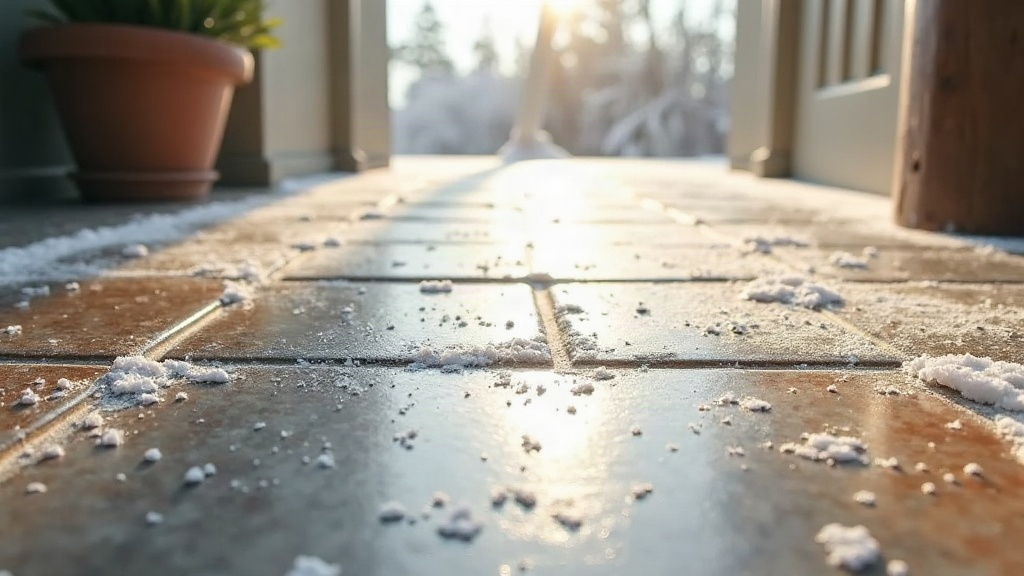
Winter salt and slush stains on entryway tile rank among the most annoying seasonal chores homeowners face. That chalky white film left by de-icing salt, mixed with gritty slush tracked in on boots, dulls grout, can etch certain stone finishes, and leaves floors looking grimy no matter how often you sweep. The good news? With a decent prevention routine and a few targeted cleaning tricks, your entryway can stay looking sharp straight through February.
Why Salt Stains Are So Stubborn
Most de-icing products rely on sodium chloride, calcium chloride, or magnesium chloride. When snow and slush melt off boots onto tile, the water evaporates but the mineral salts stick around, crystallizing into that hazy white haze you’ve probably scrubbed at more than once. This residue:
- Clings tightly to porous grout lines
- Can etch natural stone like marble or travertine if it sits too long
- Pulls in extra moisture from humidity, so floors feel damp even when they’re dry
- Mixes with dirt and sand into a gritty paste that scratches glossy tile
Unlike ordinary dirt, salt residue is mineral-based. A dry sweep or a quick wipe usually just smears it around rather than actually lifting it off.
Prevention: Stop Stains Before They Start
Honestly, the easiest fix for winter floor damage is never letting it reach the tile in the first place.
1. Create a Boot-Off Zone
Put a durable, absorbent mat just inside the door, and a rougher one outside, so slush and grit get scraped off before shoes ever touch tile. Mats with raised rubber edges work best since they trap meltwater instead of letting it run off onto the floor.
2. Use a Tray for Wet Boots
A simple boot tray or rubber basin catches dripping salt water before it lands directly on the tile. In a busy mudroom with three kids and a dog tracking snow in all afternoon, this one step alone can cut your cleanup time in half.
3. Wipe Down Daily
A quick pass with a damp microfiber mop at the end of the day keeps salt from drying and bonding to the surface. Sixty seconds now really does save you an hour of scrubbing later. Think of it as flossing for your floor.
4. Seal Grout and Porous Tile
Got natural stone or unsealed grout? Apply a penetrating sealer before the first snowfall. It creates a barrier so salt and moisture can’t soak in and settle.
How to Remove Existing Salt and Slush Stains
Already dealing with set-in stains? Here’s a step-by-step method that works for ceramic, porcelain, and most sealed stone tile:
- Dry sweep or vacuum first to clear loose grit, otherwise you’ll just scratch the surface during wet cleaning.
- Mix a cleaning solution: 1 cup of white vinegar to 1 gallon of warm water. The mild acidity breaks down mineral deposits surprisingly well (skip this on unsealed natural stone though, vinegar will etch it).
- Mop thoroughly, paying extra attention to grout lines, where salt loves to pile up.
- Scrub stubborn spots with a soft-bristle brush and a baking soda paste for grout, or a tile-safe scrub pad for glossy surfaces.
- Rinse with clean water to clear away any leftover vinegar or soap film.
- Dry completely with a microfiber towel. Leftover moisture just invites new salt rings to form all over again.
For Natural Stone (Marble, Travertine, Slate)
Skip the vinegar and other acidic cleaners entirely. Use a pH-neutral stone cleaner and a soft cloth instead, work in small sections, and dry immediately behind you.
For Heavily Soiled Grout
A grout brush paired with an oxygen-based cleaner (not bleach, which can discolor certain tiles) lifts embedded salt and grime without wrecking the finish.
Quick Maintenance Checklist
- Shake out and wash entry mats weekly
- Keep a microfiber mop parked by the door for daily touch-ups
- Reapply grout sealer once a year, ideally right before the first snow
- Go easy on rock salt indoors; sand or pet-safe de-icers near entry points work just as well without the residue
Final Thoughts
Salt and slush stains don’t have to be a permanent winter fixture in your entryway. A simple mix of boot mats, daily wipe-downs, and the occasional deep clean with vinegar or a pH-neutral solution keeps tile looking fresh right through the coldest months. Put in a little effort now, and you’ll spend a lot less time on your knees scrubbing white residue come March.