Advanced Carpet Extraction: Removing Set-In Red Wine on Wool Berber
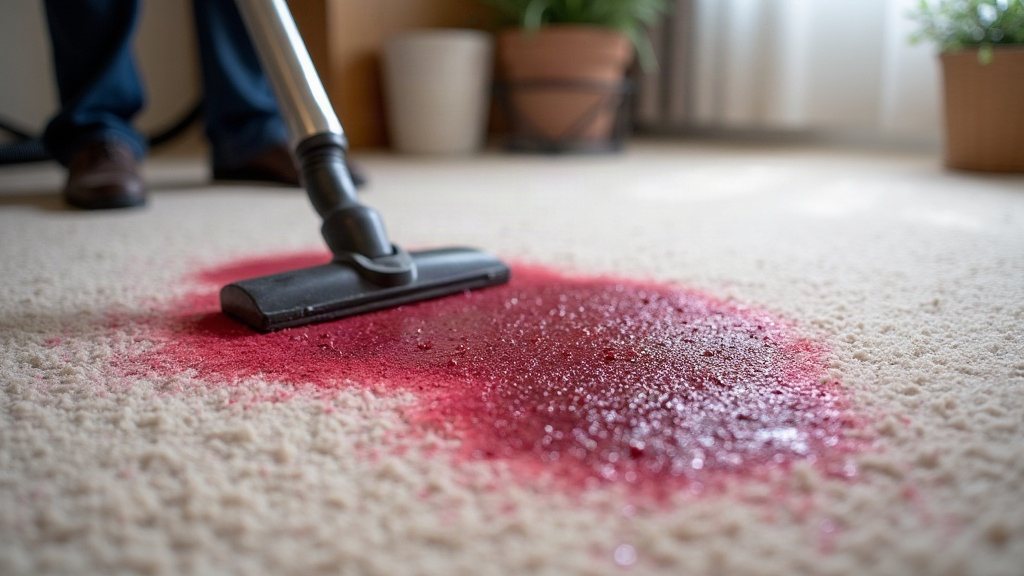
Set-in red wine stains on wool Berber carpet rank among the nastiest cleaning jobs a homeowner can face. The reason is simple chemistry: tannins bond deep into wool’s protein fibers over time, and once that bond sets, it doesn’t want to let go. This guide walks through the actual professional extraction method (the chemistry, the tools, the technique) needed to lift old wine stains without bleaching the dye or wrecking the delicate looped construction that makes Berber, Berber.
Why Wool Berber Is Different
Wool Berber needs a gentler hand than synthetic carpet, and there are two solid reasons why.
- Wool is pH-sensitive. Harsh alkaline cleaners can yellow it permanently or strip away that natural sheen wool is known for. Once you cross pH 8.5, you’re gambling with the fiber.
- Berber’s loop pile hides stains at the base. Since the fibers aren’t cut, wine seeps down into the loop structure and even the backing. Blot the surface all you want, it won’t touch what’s already migrated below.
Which explains why the classic “spray and blot” trick that works fine on nylon carpet often does nothing here, or worse, leaves a brown halo behind.
What Makes a Stain “Set-In”
A fresh spill is mostly just liquid sitting on top of the fiber. Give it 24 to 48 hours without treatment, though, and the tannins and anthocyanin pigments in the wine start to oxidize, chemically locking onto the wool’s keratin protein. At that point, plain water does nothing. You need a targeted enzymatic or oxidizing approach paired with real mechanical extraction, not a paper towel and hope.
Step-by-Step Extraction Method
1. Pre-Test in an Inconspicuous Area
Before anything touches the visible carpet, test your solution on a hidden patch (a closet corner, under the couch) and wait 10 minutes. Check for dye bleeding. Skip this step at your own risk.
2. Dry Vacuum First
Clear out all loose debris and grit before any liquid goes down. Grit that gets ground into wet fibers during extraction acts like sandpaper on the wool.
3. Apply a Wool-Safe Tannin Stain Remover
Reach for something specifically labeled safe for wool, ideally pH-balanced in the 4 to 8 range. Enzymatic pre-treatments with protease-safe formulas work well, or you can mix 3% hydrogen peroxide 1:1 with water. Peroxide oxidizes red wine pigment without the harsh alkalinity you’d get from chlorine-based products.
- Spray it on sparingly. Don’t drown the fiber.
- Let it sit for 5 to 10 minutes. Never let it dry out on the carpet.
4. Agitate Gently
Grab a soft-bristle carpet brush and work with the loop pile direction, not against it. Scrub too hard and you’ll permanently distort the loop structure, something that’s basically impossible to fix afterward.
5. Hot Water Extraction (The Key Step)
This is the step that actually pulls set-in stains out of the fiber:
- Use a truck-mount or portable hot water extractor set between 150 and 160°F. Never go above that. Wool scorches past 160°F.
- Add roughly ¼ cup of white vinegar per gallon of rinse water. It neutralizes leftover alkaline residue and helps bring the wool back to its natural pH.
- Make several slow passes with the wand, pulling it toward you each time to maximize suction and lift as much pigment as possible.
6. Repeat for Stubborn Residual Shadows
Older stains rarely lift in one round. Expect two or three cycles of treatment and extraction. Between passes, press a white cotton towel onto the spot and check for color transfer. Still seeing pigment on the towel? Keep going.
7. Speed Dry Completely
Wool holds onto moisture far longer than synthetic fibers, and damp wool invites mildew and browning fast. Bring in air movers and a dehumidifier and aim to have the area fully dry within 4 to 6 hours.
Common Mistakes to Avoid
- Reaching for chlorine bleach or ammonia cleaners. These strip the dye lot and can leave permanent yellowing behind.
- Rubbing instead of blotting or brushing with the pile. This frays and mats the loops, and Berber doesn’t forgive that easily.
- Skipping the rinse. Leftover cleaning residue acts like a magnet for dirt, so the spot looks grimy again within a couple of weeks.
- Not drying the area fully. Trapped moisture in the wool backing sets the stage for mold, odor, and eventual fiber rot.
When to Call a Professional
Stain’s been there over a week? Covers a large section of the room? Started browning after your own attempt? That’s your cue to bring in a certified wool carpet cleaning technician. They’ve got access to industrial extraction equipment and wool-specific tannin removers you simply won’t find on a store shelf.
Final Thoughts
Getting a set-in red wine stain out of wool Berber carpet is absolutely doable, provided you combine pH-balanced chemistry, careful agitation, and proper hot water extraction. But it takes patience, and it takes the right tools. Cut corners or grab a generic all-purpose carpet cleaner, and you risk damaging the fiber and dye for good. Stick to this method and even a stain that’s been sitting for years can often fade back to nearly invisible.